••
Ghana Leads ECOWAS Push for Mineral Value Addition and Industrialization to Drive AfCFTA Success
•2 min read•5 sources
Ghana has taken a leading role in a West African campaign to transform the region's economic landscape by prioritizing the local processing of mineral resources. During the fifth joint ECOWAS meeting of Trade and Industry Ministers held in Accra, Ghana’s Trade Minister, Elizabeth Ofosu-Adjare, emphasized that Africa’s current reliance on exporting raw materials has limited the continent’s share of global exports to less than one percent. The initiative aims to shift the regional focus toward industrialization, ensuring that West African nations capture more value from their natural wealth to power the African Continental Free Trade Area (AfCFTA).
The call for a unified industrial approach was supported by regional leaders, including Nigerian Minister Dr. Jumoke Oduwole and ECOWAS Commissioner Alpha Ibrahim Sesay. Dr. Oduwole stressed that collaboration is essential to move beyond commodity dependence, while Commissioner Sesay noted that approximately $1.5 billion is needed for West African development. The ministers advocated for the establishment of modern factories, improved infrastructure, and the harmonization of trade standards to facilitate the smooth flow of value-added goods across borders. This shift is seen as a critical step in building a robust industrial market that can compete on a global scale.
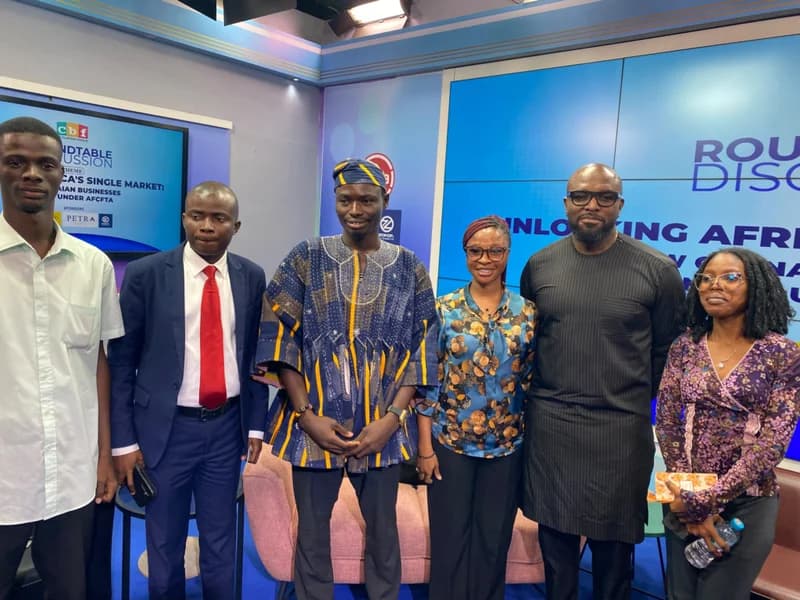
Complementing these regional efforts, stakeholders at the 2026 Citi Business Festival roundtable highlighted that deepening intra-continental trade is the key to retaining Africa’s wealth. While AfCFTA negotiations are 96% complete, experts warned that consistent industrial policies are necessary to overcome challenges in trade competitiveness. In Ghana, specifically, the government has launched targeted interventions with the ambitious goal of doubling the manufacturing sector's share of the national GDP by 2028. Financial institutions have also signaled their readiness to support sustainable business plans that align with these industrialization goals.
However, the path to full industrialization faces practical hurdles, such as the high cost of power and the need for private sector integration. Mark Badu Aboagye, CEO of the Ghana Chamber of Commerce, and acting AfCFTA Coordinator Benjamin Asiam have both noted that while the free trade area offers immense opportunities for liberalizing 90% of goods and services, the focus must now transition from policy discussion to practical implementation. By engaging future leaders—including journalism students from the University of Media, Arts and Communication (UniMAC)—in these deliberations, the region is fostering a broader understanding of how local manufacturing and value addition will define Africa’s economic future.
This story touches markets covered on Anansi Intelligence ↗.
More from africa
Continue exploring similar stories


