••
Human Rights Watch Reports Grave Abuses Against Civilians by Malian Army and Islamic Militants
•2 min read•1 source
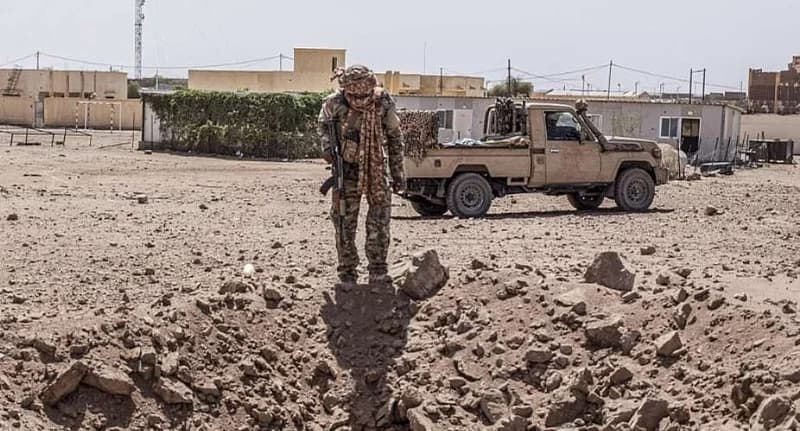
A recent report by Human Rights Watch has uncovered a disturbing escalation of grave abuses against civilians in Mali, committed by both the national armed forces and insurgent groups. The findings highlight a grim reality where non-combatants are increasingly caught in the crossfire of renewed fighting. According to the international watchdog, the violence has reached a critical point, with both the Malian army and Islamic militants, specifically the Al-Qaeda-linked Jama'at Nusrat al-Islam wal-Muslimin (JNIM), implicated in widespread human rights violations that continue to destabilize the Sahel region.
The report provides harrowing details of operations led by the Malian armed forces that resulted in the deaths of at least 38 civilians. Most alarmingly, 23 of the victims were identified as children, underscoring the indiscriminate nature of the military's current strategy during its counter-insurgency operations. These incidents occurred amidst a broader backdrop of intensified military campaigns aimed at reclaiming territory from insurgent groups, yet the heavy toll on civilian life suggests a persistent failure to distinguish between combatants and innocent residents. The documentation of these killings points to a troubling culture of impunity within the security forces, which remains a primary concern for international human rights observers.
Simultaneously, JNIM fighters have been accused of perpetrating severe atrocities as part of their campaign against the state. The report highlights a coordinated assault on the capital, Bamako, and its surrounding areas, marking a significant escalation in the militants' reach and their ability to strike major urban centers. These attacks are often characterized by indiscriminate violence intended to destabilize the central government and exert control over local populations. The interplay between state-led operations and militant retaliation has created a volatile environment where the safety of Malian citizens is frequently sacrificed for tactical military gains.
The ongoing conflict has triggered a massive humanitarian crisis, forcing thousands of Malians to flee their homes and seek refuge in neighboring countries. Witnesses have described a landscape of fear, marked by accounts of extrajudicial killings and the constant threat of violence from all warring parties. Human Rights Watch emphasizes that the lack of accountability for these crimes continues to fuel a vicious cycle of violence. Without significant international pressure and domestic reform to ensure justice for victims, the humanitarian situation in Mali is expected to deteriorate further, leaving millions at risk in a region already plagued by chronic instability.
This story touches markets covered on Anansi Intelligence ↗.
More from africa
Continue exploring similar stories


