••
Ejura-Sekyeredumasi and Tano South Municipalities Lead Local Development with Social and Sanitation Initiatives
•2 min read•2 sources
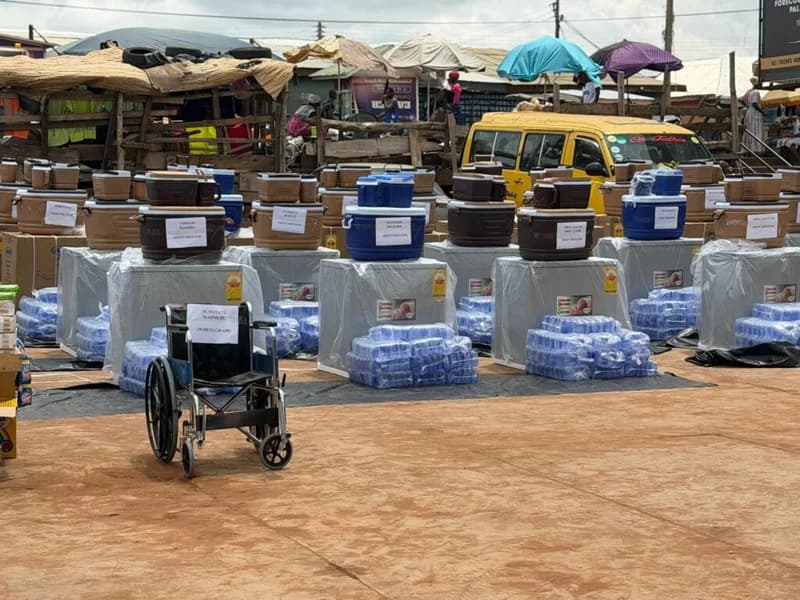
Municipal Assemblies across Ghana are intensifying efforts to improve the livelihoods of vulnerable citizens and enhance environmental sanitation within their jurisdictions. In recent developments, the Ejura-Sekyeredumasi Municipal Assembly in the Ashanti Region and the Tano South Municipal Assembly in the Ahafo Region have rolled out significant interventions aimed at sustainable development. While Ejura-Sekyeredumasi has focused on empowering Persons with Disabilities (PWDs) through economic and educational support, Tano South is tackling waste management challenges by distributing critical infrastructure to local communities. The Ejura-Sekyeredumasi Municipal Assembly recently provided comprehensive assistance to 136 persons with disabilities, utilizing the District Assemblies Common Fund for the 2025 cycle. This initiative included the distribution of deep freezers, startup capital, and educational materials designed to foster long-term economic independence. Municipal Chief Executive (MCE) Rafiu Adam Seidu emphasized that these measures are specifically intended to reduce the reliance of PWDs on street begging by enabling them to establish sustainable small businesses. Despite broader financial constraints, the MCE noted that additional support from a local Member of Parliament helped bridge the funding gap, ensuring that beneficiaries received the tools necessary to enhance their livelihoods and support their families. In parallel with social welfare efforts, the Tano South Municipal Assembly is prioritizing public health through a strategic waste management initiative. MCE Emmanuel Kwame Frimpong recently handed over skip containers to assembly members to mitigate waste disposal issues exacerbated by the municipality's growing population. This distribution aligns with national sanitation commitments and represents a proactive approach to environmental health. MCE Frimpong announced plans to provide four new containers annually and called for a collective sense of responsibility among residents, urging them to maintain the equipment and use it effectively to improve community cleanliness. These municipal-led initiatives underscore the critical role of local government in driving grassroots development and social equity in Ghana. In Ejura-Sekyeredumasi, the assembly plans to conduct monitoring visits over the coming months to assess the impact of the tools and capital provided to beneficiaries. Meanwhile, the sanitation efforts in Tano South reflect a strategic response to urbanization and infrastructure needs. Together, these actions highlight a multifaceted approach to governance where social inclusion and environmental sustainability are pursued as core components of community progress.
This story touches markets covered on Anansi Intelligence ↗.
More from africa
Continue exploring similar stories


