••

Ghana's economy achieved a 4.7% year-on-year growth in April 2026, according to the Ghana Statistical Service, sustained by strong performance in the services and mining sectors. While this marks a continued expansion, the momentum has softened compared to the 7.4% growth recorded in April 2025. The services sector remained the primary driver, contributing over 60% to the total expansion, led largely by the Information and Communication sub-sector. Industry followed with a 4.0% increase, bolstered by mining output, while agriculture showed a modest recovery of 1.7% following previous declines. This growth occurs as the Monthly Indicator of Economic Growth (MIEG) rose to 113.3, signaling a resilient upward trend despite emerging domestic and global headwinds.
Domestic credit conditions are tightening as the Ghana Reference Rate (GRR) rose to 10.59% in July 2026, up from 10.02% in June. This increase, reported by the Ghana Association of Banks, is attributed to a hike in the 91-day Treasury bill rate and the Bank of Ghana’s decision to set a uniform Cash Reserve Ratio (CRR) of 20%. While intended to enhance liquidity management and curb inflation, the rise in the GRR serves as a benchmark for loan pricing and is expected to lead to higher lending rates for new borrowers. Furthermore, the Ghanaian Cedi has faced renewed pressure, depreciating to a retail selling rate of GHS 12.20 against the US Dollar by July 9, 2026, while the Bank of Ghana’s interbank rate stood at GHS 11.45.
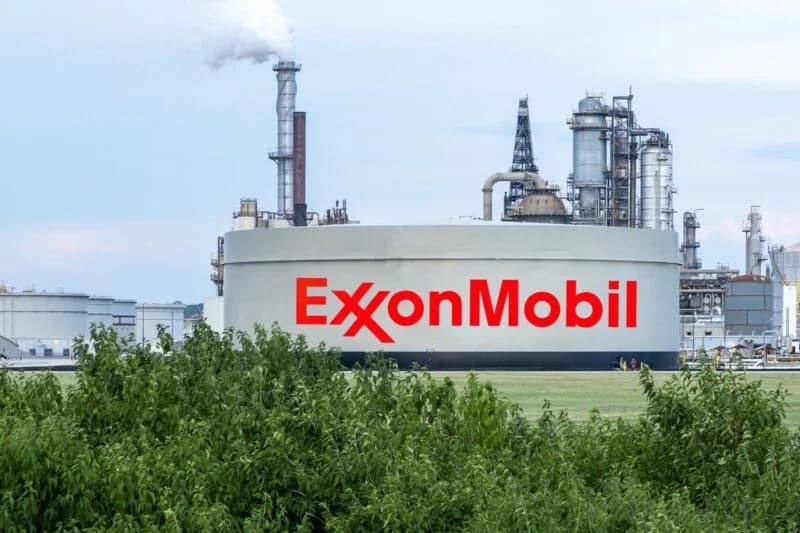
On the global stage, geopolitical tensions and inflationary pressures are creating a volatile environment for trade and energy. Oil prices recently surged by more than 1%, with Brent crude reaching $78.88 per barrel following U.S. military strikes on Iranian assets. These developments have heightened concerns regarding the security of the Strait of Hormuz, a vital passage for global energy supplies. In a positive turn for regional energy investment, ExxonMobil and its partners announced a $1 billion investment in Nigeria's Usan Infill Project. This move signifies ExxonMobil's return to active drilling in Nigeria for the first time since 2016 and is projected to increase oil production by 40,000 barrels per day.
Broader economic indicators from major global markets suggest mixed outcomes for manufacturers and retailers. China's producer price index (PPI) jumped to a four-year high of 4.1%, driven by rising costs in mining and machinery, which is putting significant pressure on manufacturers who are unable to pass costs to consumers due to weak domestic demand. In the corporate sector, German fashion house Hugo Boss has formally rejected a —2 billion takeover bid from Britain’s Frasers Group, calling the offer —financially inadequate.— Simultaneously, U.S. regulators are preparing legal challenges to block a proposed $110 billion merger between Paramount and Warner Bros. Discovery, citing concerns over market competition and consumer choice.
These converging trends—domestic growth coupled with rising borrowing costs and global supply chain risks—underscore a complex landscape for Ghanaian policymakers. While the 4.7% growth rate demonstrates economic resilience, the combination of a weakening Cedi and rising interest rates may necessitate further interventions to protect local industries. As global energy prices remain sensitive to conflict and China's manufacturing sector grapples with cost-push inflation, the Ghanaian economy will need to lean on its robust services and mining sectors to maintain stability through the latter half of the year.
This story touches markets covered on Anansi Intelligence ↗.
Live rates
Dollar to cedi rate →Continue exploring similar stories


