••

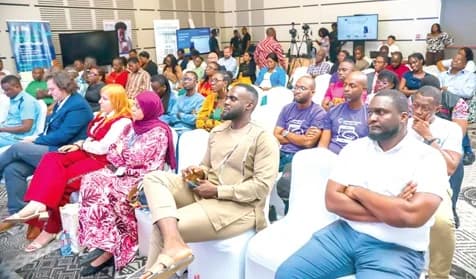
Ghana is witnessing a significant acceleration in its digital transformation, characterized by new initiatives to support small businesses and a competitive race for high-speed connectivity. The Bank of Ghana (BoG) and various international partners, including the UNCDF and UNDP, are leading efforts to move the country beyond basic mobile money transfers toward a more sophisticated digital finance ecosystem. At a recent event in Accra, five innovative digital solutions were unveiled specifically designed to help women-led and youth-led micro, small, and medium enterprises (MSMEs) access affordable capital. Elhanan Owureku Asare, Head of Fintech and Innovation at the BoG, emphasized that mobile money transaction histories should now serve as gateways for informal workers to access credit and insurance, bridging the gap for the 92% of Ghanaian businesses that remain underserved by traditional banking.
However, this digital expansion faces critical hurdles, most notably a rising 'trust crisis' and concerns over government policy. Professor Godfred Bokpin of the University of Ghana Business School has cautioned the government against viewing the digital finance sector primarily as a taxation tool, warning that 'tax traps' could deter users and stifle financial inclusion. Parallel to these policy concerns is the growing threat of digital fraud, which Bokpin describes as a major economic risk. Recent data reveals that fraud cases increased from 15,865 in 2023 to 16,733 in 2024, with the total value at risk reaching approximately GH"99 million. The upcoming Digital Economy Forum is expected to address these challenges, focusing on the need for enhanced cybersecurity and financial literacy to prevent a return to cash-based transactions.
On the infrastructure front, the race for 5G connectivity has intensified as the government prepares to auction licenses previously held exclusively by Next Gen Infraco (NGIC). Major players MTN Ghana and Telecel Group are readying bids after the government revoked NGIC’s exclusive rights due to missed rollout targets. Communications Minister Sam George has highlighted the importance of a fair auction to ensure market competitiveness, particularly as the state aims for 70% 5G population coverage by March 2027. This infrastructure boost is seen as essential for supporting the burgeoning digital services market and maintaining Ghana’s regional lead in telecommunications.
Beyond finance and infrastructure, digital innovation is also reshaping specific sectors like real estate. GhanaWeb has officially launched a new digital marketplace designed to streamline property searches and eliminate common frustrations for renters and buyers, such as non-refundable 'viewing fees' and fragmented listings. By providing a platform for verified property listings and credible professionals, the portal aims to bring transparency to a historically opaque industry. Collectively, these developments in finance, connectivity, and sector-specific marketplaces signal a pivotal moment for Ghana’s economy, where the focus is shifting from simple digital adoption to building a secure, high-speed, and inclusive digital future.
This story touches markets covered on Anansi Intelligence ↗.
Continue exploring similar stories


