••

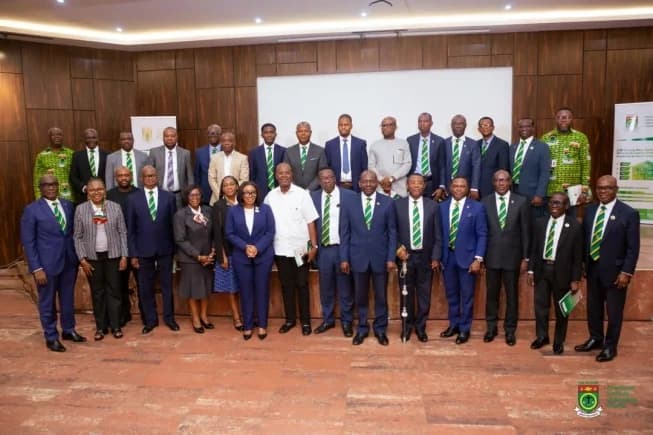
Ghana’s financial sector is entering a pivotal phase of transformation, characterized by stabilizing macroeconomic conditions and a strategic shift toward inclusive lending. At the 2026 Ghana Banking Forum, Professor Ebo Turkson of the University of Ghana and experts from PwC Ghana urged banks to restructure their business models in response to a declining interest rate environment. As traditional high-interest returns diminish, banks are being encouraged to diversify revenue through digital banking, transaction services, and advisory roles. This call for innovation comes as the Chartered Institute of Bankers (CIB) Ghana enters a new leadership era, having recently elected Dr. Ellen Ohene-Afoakwa, Managing Executive at Absa Bank Ghana, as its President. Under her tenure, the institute aims to prioritize skills development and staff welfare following a robust financial year that saw a 33% surge in revenue.
A central pillar of this industry evolution is a surge in support for women-led enterprises, which face an estimated USD 42 billion financing gap in Sub-Saharan Africa. Development Bank Ghana (DBG) marked its fifth anniversary by launching the "DBG Women’s Lending Programme" in Kumasi. The initiative is designed to assist 1,000 women-owned businesses by 2028, specifically targeting sectors like agriculture, manufacturing, and technology by reducing barriers such as high collateral requirements. This move complements existing efforts like Ecobank Ghana’s Ellevate Programme, which has already onboarded over 13,000 customers and provides collateral-free loans up to USD 50,000. Furthermore, the anticipated launch of the Women’s Development Bank, bolstered by the Bank of Ghana’s macro-reset, signaling a nationwide commitment to ensuring economic stability translates into tangible growth for female entrepreneurs.
Operational efficiency and social responsibility are also taking center stage as banks modernize their service delivery. The National Investment Bank (NIB) PLC recently commissioned a new fleet of 17 vehicles, including Toyota Corolla Cross and Nissan Navara models, to enhance staff mobility and customer outreach across the country. Managing Director Dr. Doli-Wura Zakaria described the acquisition as a milestone in the bank's transformation strategy. Simultaneously, Absa Bank Ghana has reinforced its sustainability agenda by conducting financial literacy sessions for Persons with Disabilities in collaboration with the British Council. These sessions focus on budgeting, saving, and fraud prevention, aiming to foster financial independence and ensure that the benefits of Ghana's economic recovery are accessible to all segments of society.
Ultimately, these developments signal a maturing financial ecosystem that is moving beyond traditional profit models toward a more sustainable and inclusive framework. By addressing the specific needs of underserved groups and modernizing infrastructure, Ghana’s banks are positioning themselves as critical drivers of national development. As interest rates continue to reflect a more stable economy, the success of these institutions will increasingly depend on their ability to innovate and provide cheaper, more accessible credit to the productive sectors of the Ghanaian economy.
This story touches markets covered on Anansi Intelligence ↗.
Live rates
Dollar to cedi rate →Continue exploring similar stories


