••
ECOWAS Ministers and Development Experts Champion Industrial Synergy and Governance Reform for African Prosperity
•2 min read•2 sources
West African nations are intensifying efforts to reshape the continent's economic and governance landscape through a dual focus on industrial collaboration and institutional accountability. While ECOWAS ministers push for a unified "mine together, process together" strategy to enhance mineral value addition, regional stakeholders are simultaneously emphasizing the role of robust monitoring and evaluation (M&E) systems in ensuring sustainable development. These complementary efforts reflect a growing continental commitment to industrialization and evidence-based policymaking under frameworks like the African Continental Free Trade Area (AfCFTA).
At a recent ECOWAS gathering, Ghana’s Trade Minister, Elizabeth Ofosu-Adjare, spearheaded a campaign for collaborative mineral processing to boost the region’s wealth. She emphasized that while Africa is resource-rich, the continued export of minerals in their raw forms hampers prosperity. By building regional factories, harmonizing standards, and addressing infrastructure deficits, West African nations aim to transition from raw material exporters to industrial hubs. This sentiment was echoed by Nigeria’s Dr. Jumoke Oduwole, who highlighted that regional cooperation in industrialization and value addition is critical for the continent’s shared growth and economic sovereignty.
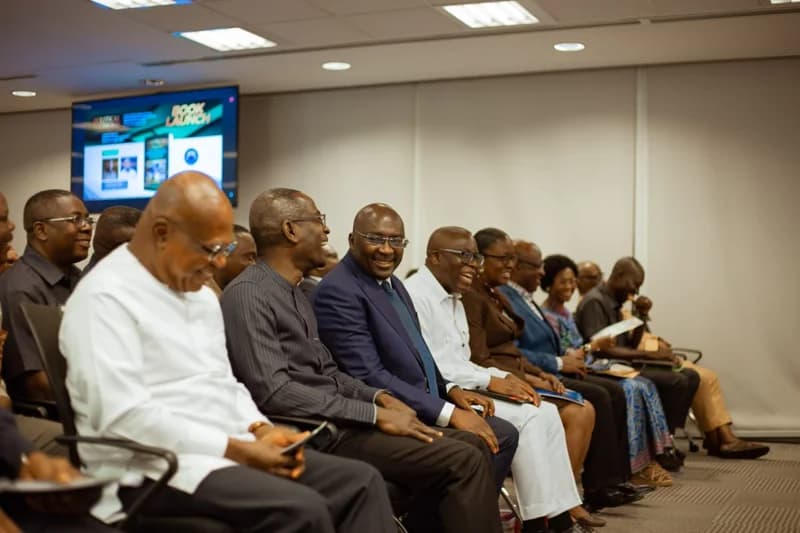
Complementing this drive for industrial growth is a renewed focus on governance and institutional accountability. The launch of the book "Political Economy of Institutionalising Monitoring & Evaluation Practice in Africa: 21st Century Perspectives" at the World Bank Country Office in Accra brought together key policymakers to discuss the necessity of data-driven governance. Authored by Professor Kwaku Appiah-Adu and Andrew Osei Asibey, the work explores the factors affecting M&E systems across the continent. High-profile attendees, including former Vice President Dr. Mahamudu Bawumia and Ashesi University founder Patrick Awuah, underscored that technological and industrial advancement must be paired with effective governance and evidence-based policymaking to be truly transformative.
These developments signal a multi-faceted approach to African development where economic strategy meets administrative reform. The push for mineral value addition aims to provide the necessary fiscal engine for growth, while the institutionalization of M&E practices ensures that this growth is managed transparently and effectively. Together, these initiatives suggest a shift toward a more integrated and accountable Africa, where resource wealth is maximized through regional synergy and public sector performance is continuously measured against the rigorous standards of the 21st century.
This story touches markets covered on Anansi Intelligence ↗.
More from africa
Continue exploring similar stories


