••
U.S. and Iran Escalate Hostilities in Strait of Hormuz Following Tanker Attacks and Airstrikes
•2 min read•8 sources
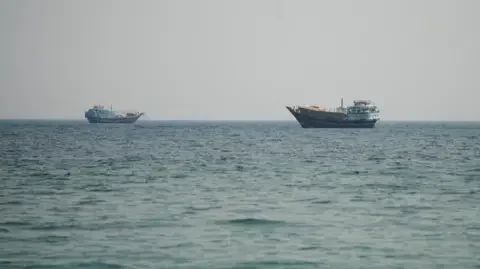
A major regional security crisis has erupted in the Middle East following three consecutive nights of U.S. airstrikes against Iranian military infrastructure and a retaliatory missile attack on commercial shipping. The U.S. military operations, which targeted coastal defense sites and drone facilities in Bushehr, Chabahar, and Bandar Abbas, were launched to degrade Iran's ability to threaten international shipping lanes. The escalation reached a critical point after Iranian cruise missiles struck two United Arab Emirates (UAE) oil tankers in the Strait of Hormuz, resulting in at least two fatalities and several injuries among seafarers. The UAE government has condemned the "brazen" attack, while the Islamic Revolutionary Guard Corps (IRGC) reportedly claimed responsibility for the hits.
In response to the maritime aggression, U.S. President Donald Trump initially announced a naval blockade of Iranian ports and proposed a controversial 20% toll on all cargo passing through the Strait of Hormuz. While the proposed toll faced immediate rejection from the International Maritime Organization (IMO) and Iranian officials, President Trump later reversed the fee threat, opting instead to seek "trade and investment deals" with Gulf allies. Despite this shift in economic tactics, the U.S. remains committed to the naval blockade, and the collapse of a previous interim ceasefire agreement has left both nations in a state of direct military confrontation. Regional tensions have further intensified with missile alerts being reported in neighboring Bahrain.
The conflict has sent shockwaves through the global economy, causing a significant spike in international oil prices as analysts warn of prolonged volatility. Maritime traffic through the Strait of Hormuz, one of the world's most vital energy corridors, has plummeted as shipping companies face increased "war risk premiums" and heightened security threats. With both Washington and Tehran prioritizing military posturing over diplomatic engagement, the prospects for a peaceful resolution appear increasingly grim. The international community continues to monitor the situation closely, as the disruption of the Strait threatens the stability of global energy markets and the enforcement of international maritime law.
This story touches markets covered on Anansi Intelligence ↗.
More from politics
Continue exploring similar stories


