••
President Mahama and NMC Reconstitute State Media Boards as GJA Celebrates 77 Years of Democratic Vigilance
•3 min read•10 sources
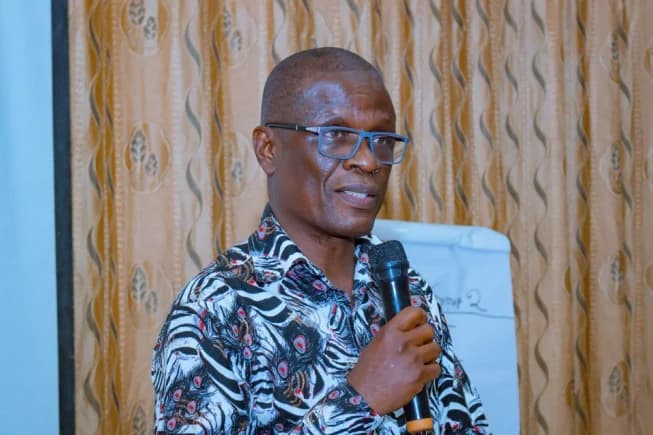
In a significant move to strengthen the country’s information landscape, the National Media Commission (NMC) has reconstituted the governing boards of four major state-owned media organizations. Following essential consultations with President John Mahama, the NMC appointed new leadership to the Graphic Communications Group Ltd (GCGL), the Ghana Broadcasting Corporation (GBC), the New Times Corporation, and the Ghana News Agency (GNA). These appointments come at a pivotal time as the Ghana Journalists Association (GJA) celebrates its 77th anniversary, emphasizing the critical role of credible journalism in safeguarding the nation’s democratic foundations and ensuring the public remains informed rather than "walking in the dark."
The newly appointed boards feature a blend of academic and industry expertise designed to provide robust oversight. Prof. Samuel Kweku Hayford has been named Chairman of the GCGL board, while Francis Mills Robertson will lead the GBC. Dr. Kwame Akuffo Anoff-Ntow and Dr. Charity Binka have been appointed to chair the GNA and New Times Corporation boards, respectively. Each board will include various members alongside the organisations' Managing Directors. This institutional refreshing is seen as a key step in fulfilling the constitutional provisions for state media independence while ensuring they remain accountable to the public interest under the current administration.
During the GJA’s 77th Anniversary Symposium in Accra, the association’s leadership underscored the necessity of high professional standards to maintain media credibility. GJA President Albert Kwabena Dwumfour and Vice President Rebecca Ekpe both warned that the association cannot defend journalists if they do not uphold the integrity of the profession. Deputy Government Spokesperson Shamima Muslim characterized the relationship between the media and the government as a "holy alliance" that has protected Ghana’s democracy through joint investigative efforts. Furthermore, Mr. Dwumfour challenged the government to broaden its fight against illegal mining, or galamsey, by targeting the powerful financiers and equipment suppliers who drive the illegal gold economy.
Beyond media governance, the political climate reflects a push for greater administrative accountability and sector-specific support. The Mayor of Accra, Michael Kpakpo Allotey, recently issued a public apology and ordered a refund to a victim of extortion by city guards, reinforcing a zero-tolerance policy for official misconduct. Simultaneously, the creative arts sector has expressed renewed optimism; Kumawood actor Salinko and other creatives praised President Mahama for his consistent support of industry practitioners and his pledge to establish a welfare fund for aging creatives. These developments highlight a multi-faceted effort by the Mahama administration to address both grassroots grievances and sector-wide reforms.
While Ghana celebrates these advancements in institutional governance, regional and international developments serve as a reminder of the global challenges facing press freedom. The detention of two French filmmakers in neighboring Togo and high-profile legal battles in the United States over media licensing highlight the complexities of modern media regulation. As Ghana moves forward with its new media boards and the GJA’s renewed focus on professionalism, the collaboration between the state and the press will be vital in maintaining the country’s status as a stable democracy and a protector of free expression.
This story touches markets covered on Anansi Intelligence ↗.
Related topic
John Mahama: Latest News & Updates →Live rates
Ghana gold price →More from politics
Continue exploring similar stories


