••
President Bola Tinubu Navigates Economic Crisis and Legal Scrutiny as Political Tensions Rise Across Africa and the US
•3 min read•11 sources
Campaigning has officially commenced for Nigeria’s upcoming elections scheduled for January 16, unfolding amid a backdrop of severe economic distress and escalating security challenges. President Bola Ahmed Tinubu, who won the 2023 presidency with 36.6% of the vote, faces what is being described as a political rematch against competitors Peter Obi and Atiku Abubakar. Despite implementing ambitious reforms, such as the removal of fuel subsidies, the administration is struggling with a 34% inflation rate that has left over 60% of the population living below the poverty line. High levels of violence from armed groups and a historically low voter turnout of 27% further complicate the political landscape as the nation prepares for the polls.
In addition to economic pressures, President Tinubu is facing intensified legal and international scrutiny. A United States District Court has mandated the FBI and DEA to release investigative files regarding the President by April 2025, following a lawsuit by activists and journalists seeking transparency. Despite these challenges, some analysts and public figures, including musician Davido, suggest that a fragmented opposition may inadvertently strengthen Tinubu’s prospects for the 2027 presidential cycle. The current division among opposition parties remains a significant hurdle for those seeking to challenge the incumbent’s economic and security record.
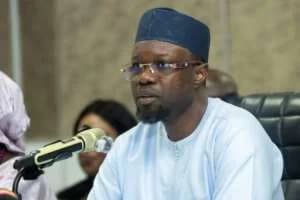
Beyond Nigeria, democratic stability is being tested across the African continent. In Zambia, United Nations Rights Chief Volker Turk has expressed grave concern over the arbitrary arrest and detention of opposition figures following President Hakainde Hichilema’s recent electoral victory. Turk urged authorities to uphold due process and end the suppression of political rivals. Similarly, in Senegal, a growing rift between President Bassirou Diomaye Faye and Parliament Speaker Ousmane Sonko has stalled progress on setting dates for local elections. With municipal mandates expiring, the political atmosphere remains tense as the opposition pressures the presidency to avoid further delays in the democratic process.
The international political sphere also saw significant movements in the United States, where primary elections in Florida and Alaska have finalized key nominees for the upcoming midterm elections. Republican Byron Donalds and Senator Dan Sullivan secured crucial victories, underscoring the shifting dynamics within the American political landscape. Meanwhile, in a case that has captured global attention for three decades, the murder trial of Tupac Shakur continues to navigate complex legal hurdles. Recent testimony from James 'Mob James' McDonald highlighted the difficulties of breaking gang-related silences in the prosecution of Duane 'Keffe D' Davis, marking a pivotal moment in the quest for judicial closure in one of the world's most notorious cold cases.
This story touches markets covered on Anansi Intelligence ↗.
More from politics
Continue exploring similar stories


