••
US-Iran Maritime Standoff and Global Diplomatic Shifts: From the Strait of Hormuz to Africa’s Evolving Security Alliances
•3 min read•16 sources
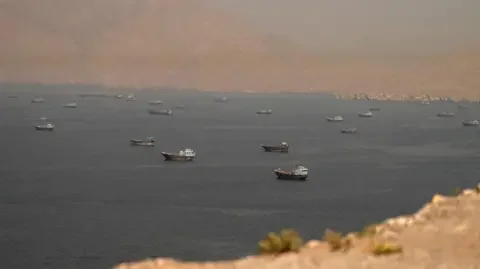
Tensions in the Strait of Hormuz have reached a critical juncture as the United States demands a public commitment from Iran to guarantee the safety of commercial shipping. Ahead of high-level negotiations in Oman involving Vice President JD Vance and Secretary of State Marco Rubio, U.S. officials report that Tehran has privately admitted that recent attacks on vessels were "mistakes" by rogue hardline factions. This diplomatic push is underscored by a severe warning from President Donald Trump, who declared that the U.S. would "completely decimate" Iran with a massive missile strike should any attempt be made on his life. While a June ceasefire aimed to ensure safe passage, the White House views recent hostilities as a breach of that agreement, even as Qatar attempts to mediate a de-escalation between the two nations. In Africa, a significant diplomatic thaw has emerged between Mali and Algeria, ending a 15-month rift triggered by a drone dispute that had closed their shared airspace. The restoration of military and civilian flight access signals a shift in the Sahel’s volatile political landscape, even as Mali’s military government increasingly looks toward Russia for security partnerships. Simultaneously, South African President Cyril Ramaphosa concluded a visit to France, where he and President Emmanuel Macron established a new annual bilateral dialogue. Their discussions covered regional crises in the Democratic Republic of Congo and the Middle East, while also marking the 110th anniversary of the Battle of Delville Wood to honor South African soldiers who fell during World War I. Security remains a volatile concern elsewhere on the continent, highlighted by a rescue operation in Nigeria where security forces suffered casualties while liberating over 40 schoolchildren and teachers from the group Ansaru in Oyo State. This incident has intensified domestic political pressure and prompted protests ahead of Nigeria's 2027 elections. Further east, Somalia’s Galmudug State is grappling with the implications of a Saudi-funded military program training over 5,100 soldiers. While intended to bolster the national army, the presence of foreign-funded troops and alleged mercenaries has sparked concerns over national sovereignty and the consolidation of power by outgoing President Hassan Sheikh Mohamud. These developments are framed against a backdrop of intensifying debates over historical accountability and colonial legacies. Barbados Prime Minister Mia Mottley recently dismissed a British lawmaker’s suggestion that former colonies should repay the United Kingdom for historical investments, labeling the idea "asinine." Mottley’s firm rejection of the notion that Caribbean nations owe their former oppressors further highlights a growing global movement for reparations rather than repayments. As world leaders navigate these complex intersections of security, historical justice, and maritime law, the coming weeks of negotiations and regional shifts will likely redefine international alliances and the pursuit of regional stability for the foreseeable future.
This story touches markets covered on Anansi Intelligence ↗.
More from politics
Continue exploring similar stories


