••
Donald Trump Threatens Iranian Infrastructure as US Resumes Naval Blockade in Strait of Hormuz
•3 min read•19 sources
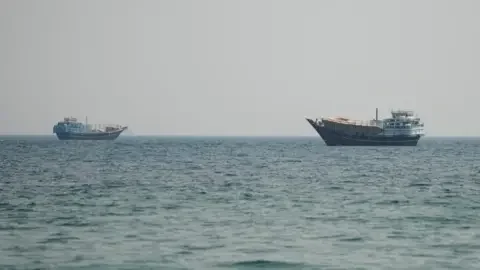
President Donald Trump has escalated international tensions by issuing a severe military ultimatum to Iran, threatening to strike the nation’s power plants and bridges unless it returns to the negotiation table. In a series of statements, including a high-profile Fox News interview, Trump emphasized that US military actions would continue indefinitely until his administration deems them no longer necessary. This rhetoric comes amid four consecutive days of active military exchanges between US and Iranian forces, with US Central Command reporting targeted strikes intended to degrade Iran’s ability to disrupt commercial shipping. Iran has responded by dismissing the threats, with officials asserting they will not negotiate under pressure while accusing the US of causing civilian casualties during recent daylight attacks.
The conflict has centered on the strategic Strait of Hormuz, a vital artery for global energy supplies where oil prices have surged, with Brent crude climbing above $85 a barrel. In response to US military aggression, Iran’s Revolutionary Guard Corps has threatened to completely block the strait until hostilities cease. The US has countered this by reinstating a naval blockade of Iranian ports, which has already significantly hampered tanker traffic. Despite the blockade, ship-tracking data recently showed an uptick in Iran-linked vessels attempting to transit the waterway before enforcement tightened, highlighting the precarious nature of maritime trade in the region.
Trump's policy regarding the waterway has shown significant volatility; he recently proposed a 20% security fee on all cargo transiting the Strait of Hormuz to cover US military costs, only to abandon the idea 24 hours later. Instead, the US administration appears to be pivoting toward seeking massive trade and investment deals with Gulf allies to secure the region. Analysts suggest this inconsistency reflects a struggle to find a clear exit strategy for a conflict that is increasingly resembling a war of attrition. While Israeli Prime Minister Benjamin Netanyahu and other regional allies like Kuwait and Bahrain have signaled support or activated military responses to Iranian threats, domestic pressure in the US is mounting due to the inflationary impact of rising energy costs.
The prospect of targeting civilian infrastructure such as power plants and bridges has raised serious humanitarian and legal concerns among international observers, with some experts warning that such actions could constitute violations of international law. As diplomatic efforts remain stalled, the situation has created a dangerous stalemate: the US links its military campaign directly to demands for new negotiations, while Iran maintains that it remains in full control of the Strait and will not be coerced. With no immediate resolution in sight and the global economy sensitive to further disruptions, the standoff remains a significant threat to Middle Eastern stability and international energy security.
This story touches markets covered on Anansi Intelligence ↗.
More from politics
Continue exploring similar stories


