••
Captain Ibrahim Traore’s Military Junta Severs Diplomatic Ties Between Burkina Faso and France Over Sovereignty Concerns
•2 min read•7 sources
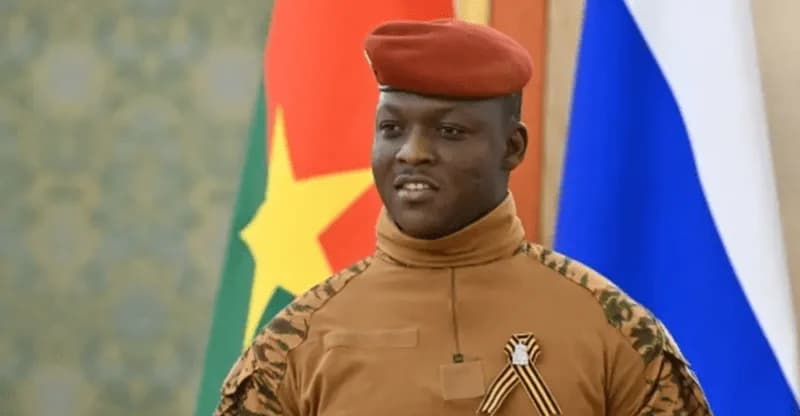
In a major shift for West African geopolitics, Burkina Faso’s military government, led by Captain Ibrahim Traore, has officially severed all diplomatic ties with its former colonial ruler, France. Announced on June 26, 2026, via national television, the decision marks a peak in years of deteriorating relations between Ouagadougou and Paris. Communications Minister Gilbert Ouedraogo characterized the move as a necessary step to protect Burkina Faso’s sovereignty and interests against what the regime describes as France’s neo-colonial ambitions and alleged interference in national matters.
The junta's accusations against France are multifaceted, ranging from claims of interference in internal affairs to more serious allegations of supporting terrorist networks that have plagued the region for over a decade. Since coming to power in a September 2022 coup, Captain Traore has increasingly pivoted the nation away from Western alliances. While the diplomatic break is formal and institutional, Burkinabé officials have emphasized that it does not extend to the historical and cultural bonds between the citizens of the two nations. The government has further assured that French nationals residing within Burkina Faso will continue to be protected under national law.
In response, the French foreign ministry expressed regret over the decision, labeling it a "hostile" move based on unfounded allegations. French authorities have indicated they are contemplating reciprocal measures while urging their nationals remaining in the country to exercise extreme vigilance. This diplomatic rupture follows a pattern of increasing hostility toward French presence in the Sahel, where France has historically maintained a significant military footprint to combat Islamist insurgencies. France has consistently denied claims of supporting subversive elements, asserting that its past interventions were intended to bolster regional security.
This development highlights a significant geopolitical realignment in the Sahel region, as Burkina Faso, alongside neighbors Mali and Niger, increasingly distances itself from traditional Western partners. The strengthening of the Alliance of Sahel States and a notable shift toward non-Western powers like Russia and China suggest a move toward a more autonomous foreign policy. As Burkina Faso grapples with a persistent security crisis and internal political tension, the severance of ties with France underscores the regime's commitment to a new regional order centered on sovereignty and the exclusion of former colonial influences.
This story touches markets covered on Anansi Intelligence ↗.
More from politics
Continue exploring similar stories


