••
Judicial Disputes and Press Freedom Debates Intensify Following Rulings on Former Chief Justice Torkornoo and Editor Larry Dogbe
•3 min read•16 sources
Ghana’s legal and political landscape is currently dominated by high-profile judicial challenges and a growing debate over the limits of press freedom. Central to these developments is the ongoing legal battle of former Chief Justice Gertrude Araba Esaaba Sackey Torkornoo, who has recently filed a motion in the Supreme Court to review a May 28 ruling regarding her removal from office for alleged misbehaviour. This follows a significant blow to her legal efforts after the ECOWAS Court of Justice dismissed her claims against the Republic of Ghana, upholding the legality of her removal. Torkornoo’s legal team argues that the Ghanaian Supreme Court violated principles of natural justice by proceeding with her case after her lawyer had withdrawn, an action they claim renders the previous orders null and void.
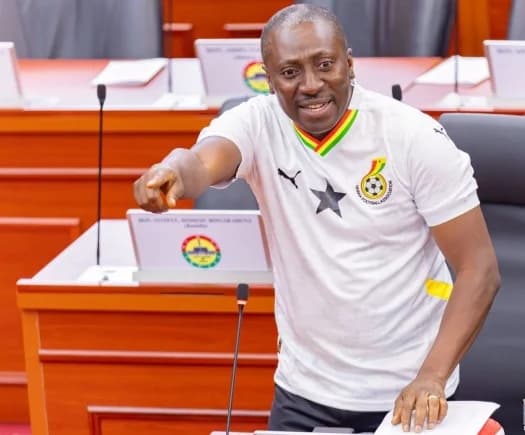
The Torkornoo case has sparked a sharp divide in political and legal circles. Suame Member of Parliament John Darko has characterized the removal proceedings as inherently political rather than strictly legal, suggesting a predetermined agenda was at play. Conversely, Alexander Twum-Barimah, Deputy Director-General of the Narcotics Control Commission (NACOC), defended the process, asserting that all constitutional procedures were followed, including providing Torkornoo ample opportunity to respond to petitions. Beyond the Supreme Court and ECOWAS rulings, Deputy Attorney General Dr. Justice Srem-Sai revealed that Torkornoo has also initiated multiple cases at the High Court, which she is currently seeking to consolidate as part of her broader strategy to challenge her dismissal by President John Dramani Mahama.
Simultaneously, the conviction of Larry Dogbe, the Managing Editor of The Herald, has brought the issue of media liberties to the forefront of national discourse. Dogbe was recently convicted of contempt of court for breaching an injunction related to publications about a corporate dispute involving businessman Kevin Okyere. While he was initially handed a custodial sentence, the Accra High Court granted him a 10-day conditional bail to allow for an appeal. His lawyer, David Annan, has confirmed that the appeal process is already underway, refuting suggestions that the defense was delayed. The case has drawn commentary from civil society, with Dr. Kojo Asante of CDD-Ghana and PRINPAG President David Tamakloe emphasizing that while media freedom is vital, journalists must respect judicial orders while pursuing legal remedies.
These legal tensions have resonated within Parliament, where Minority Leader Alexander Afenyo-Markin has made a passionate plea for the house to act as a guarantor of press freedom and civil liberties. Amidst concerns over recent arrests of opposition figures, Afenyo-Markin cautioned against the suppression of dissent, arguing that a healthy democracy must embrace criticism. While Majority Leader Mahama Ayariga condemned the use of hate speech and calls for violence, the consensus among observers is that the intersection of these legal rulings and political statements represents a critical test for Ghana's democratic integrity. As the Supreme Court prepares to hear Torkornoo’s review and the appellate court considers Dogbe’s case, the outcomes are expected to set significant precedents for judicial independence and the rights of the press in Ghana.
This story touches markets covered on Anansi Intelligence ↗.
More from politics
Continue exploring similar stories


