••
Keir Starmer Faces Imminent Resignation Pressure as Andy Burnham’s Victory Shakes Labour Leadership
•2 min read•8 sources
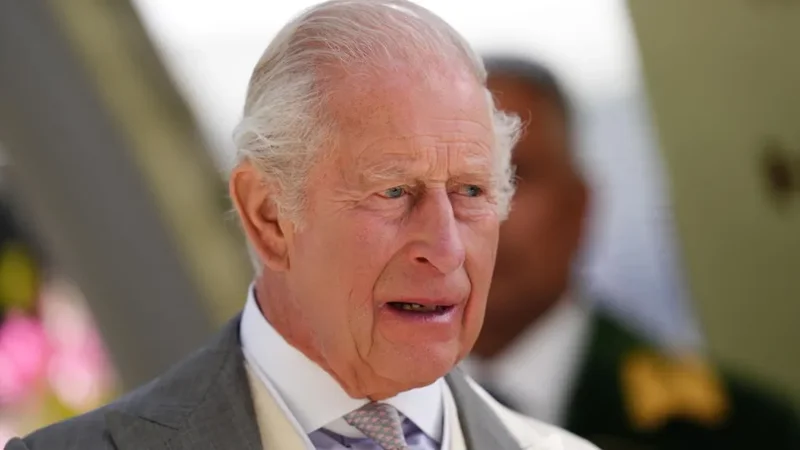
British Prime Minister Keir Starmer is reportedly on the verge of announcing his resignation, with speculation mounting that a timetable for his departure could be set as early as Monday. This potential political earthquake follows intense internal pressure within the Labour Party, reaching a boiling point after his rival, Andy Burnham, secured a seat in Parliament via the Makerfield by-election. Although Starmer led the party to a historic victory in 2024, his tenure has since been marred by a series of scandals and controversial policy shifts that have significantly eroded his public approval and party support.
The movement to oust Starmer has gained significant momentum, with over 100 Labour lawmakers publicly calling for him to step down. The entry of Andy Burnham into Parliament is seen as a turning point, as it provides a clear path for a formal leadership challenge from a figure who has long positioned himself as a champion of a new political direction. While Burnham has yet to officially declare a challenge, his recent victory speech hinted at a desire for significant change, and other potential contenders, such as former health minister Wes Streeting, are reportedly weighing their options.
Despite the gravity of these reports, particularly those appearing in Britain’s Observer, a government source maintains that Starmer remains focused on the job and is prepared to fight any leadership contest that may arise. This internal friction highlights a deepening divide between the Prime Minister’s inner circle and a significant portion of the parliamentary party. Senior Labour figures are reportedly already discussing potential cabinet reshuffles and appointments under a prospective new leader, suggesting that the party is preparing for a transition despite official denials.
If Starmer does resign, he would be the seventh prime minister to lead the United Kingdom in just over a decade, a statistic that underscores the persistent political instability currently facing the country. As the Labour Party grapples with these leadership tensions and public dissatisfaction, the coming days will be pivotal in determining whether the government can stabilize its leadership or if the UK will face yet another transition of power. The outcome of this internal struggle will have profound implications for the party's ability to govern and its standing with the British electorate.
This story touches markets covered on Anansi Intelligence ↗.
More from politics
Continue exploring similar stories


