••
South Africa Deports 53,000 Foreigners Amid Regional Judicial Turmoil in Sudan and Uganda
•3 min read•15 sources
The political landscape across Africa is currently marked by significant migration crackdowns and high-stakes legal proceedings. In a major policy shift, the South African government has processed more than 53,000 foreign nationals for deportation and repatriation over a five-week period. This intensified campaign, primarily targeting undocumented migrants from Malawi, Zimbabwe, and Mozambique, follows a wave of violent anti-immigration protests. Justice and Constitutional Development Minister Mmamoloko Kubayi emphasized that while the state is exercising its sovereign right to manage its borders, it remains committed to balancing public demand for security with international human rights obligations. However, the crackdown has sparked concerns regarding vigilantism and has strained diplomatic relations with neighboring nations, particularly as South African authorities navigate the socioeconomic frustrations—such as high crime and unemployment—that often fuel anti-migrant sentiment.
Simultaneously, the Sudanese judiciary has taken a drastic step in addressing the country's internal conflict. A court in Port Sudan has sentenced Mohamed Hamdan Dagalo, known as Hemedti, the leader of the paramilitary Rapid Support Forces (RSF), to death in absentia. The ruling, which also applies to fifteen other senior RSF commanders, cites war crimes, crimes against humanity, and genocide committed in West Darfur. Key evidence in the trial included the June 2023 assassination of state governor Khamis Abbakar. While the RSF continues to maintain control over large territories, this verdict represents the first major domestic conviction of the group's leadership since the civil war erupted in April 2023, though legal experts remain skeptical about the immediate international enforceability of the sentence given the country's unstable security environment.
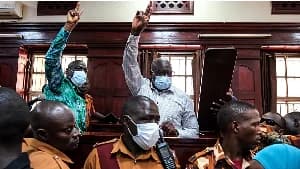
In Uganda, the judiciary has cleared the path for a contentious treason trial against prominent opposition leader Dr. Kizza Besigye and his associate Hajji Obeid Lutale. The High Court recently dismissed an application by the defendants to terminate proceedings, characterizing the motion as a delay tactic and scheduling the trial to begin on July 13, 2026. The case has been moved from a military court to a civilian venue following a Supreme Court ruling, yet it remains shrouded in controversy. The trial opened amidst reports of political repression, including travel bans and the arrest of Besigye’s primary defense lawyers. Besigye has criticized the state for undermining his right to a fair trial, framing the charges as politically motivated attempts to stifle opposition to the long-standing administration of President Yoweri Museveni.
These developments on the continent coincide with broader global shifts in human rights enforcement. The European Union has expanded its sanctions regime against Russia, targeting individuals and entities involved in cybercrime and the suppression of dissent. Notable targets include the social media platform VKontakte and its subsidiary, Communication Platform LLC, for their role in developing the MaxApp, which is allegedly used to monitor Russian citizens. Collectively, these events across South Africa, Sudan, and Uganda underscore a period of heightened state assertiveness and judicial intervention. As South Africa moves forward with its border infrastructure programs and Sudan’s legal system attempts to hold paramilitary leaders accountable, the outcomes will likely redefine regional stability and the future of democratic engagement in these nations.
This story touches markets covered on Anansi Intelligence ↗.
More from politics
Continue exploring similar stories


