••
Ghana Enhances Local Governance: New DVLA Office Opens in Salaga as GDCA Advocates for Increased District Funding
•3 min read•14 sources
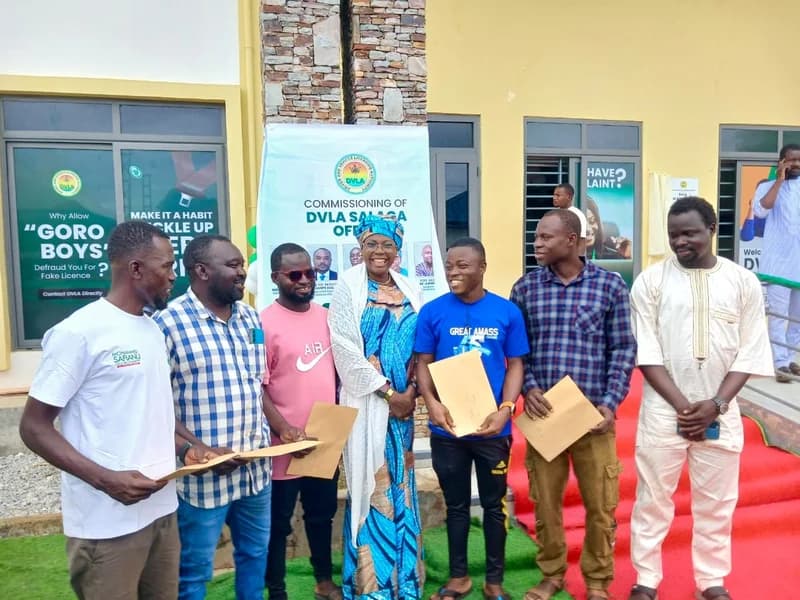
The Government of Ghana has taken a significant step toward decentralizing essential public services with the inauguration of a new Driver and Vehicle Licensing Authority (DVLA) office in Salaga. The facility, commissioned to serve the East Gonja Municipality and surrounding areas, aims to alleviate the burden on residents who previously traveled long distances for vehicle registration and licensing. Member of Parliament for Salaga South, Hon. Hajia Zuwera Mohammed Ibrahimah, described the opening as a historic milestone that will foster local economic growth and reduce transportation costs. This move is part of a broader strategy to bring governance closer to the people, with discussions already underway to establish a Passport Application Centre and a Social Security and National Insurance Trust (SSNIT) office in the municipality.
While physical infrastructure expands, the Ghana Developing Communities Association (GDCA) is intensifying calls for a more robust fiscal framework to support local government entities. The GDCA has urged the central government to increase the constitutional minimum allocation to the District Assemblies Common Fund (DACF) from its current 5% to at least 10%. This recommendation comes in response to the Cabinet's approval of a new National Decentralization Policy, which suggests raising the allocation to 7.5%. The GDCA argues that the proposed increase is insufficient to meet the development needs of underserved communities and has criticized the central government for pre-committing funds before they reach the local level, thereby limiting the financial autonomy of Metropolitan, Municipal, and District Assemblies (MMDAs).
In addition to fiscal reforms, the GDCA is advocating for structural changes to the local governance system, including the direct, non-partisan election of Metropolitan, Municipal, and District Chief Executives (MMDCEs). The association believes that combining meaningful fiscal decentralization with democratic leadership at the local level is the only way to ensure effective service delivery. These advocacy efforts highlight a growing consensus among civil society organizations that local authorities must be empowered with both the legal mandate and the financial resources necessary to manage community development independently.
Adding to the government's focus on transparency and service delivery, the Presidency Communications Directorate has announced that the Minister for Lands and Natural Resources, Emmanuel Armah-Kofi Buah, will appear on the Government Accountability Series on Wednesday, July 15, 2026. The session, scheduled for 10:00 am, will provide the public with updates on government policies regarding land administration, resource management, and environmental protection. This initiative is designed to allow the ministry to address public concerns directly and outline priorities for the sector, reinforcing the administration's commitment to accountability.
Together, these developments reflect a multifaceted approach to governance in Ghana, balancing the physical decentralization of services like the DVLA with high-level policy debates over fiscal autonomy and administrative transparency. As the government continues to expand its reach through new facilities and accountability sessions, the ongoing dialogue with organizations like the GDCA will be crucial in determining the future of local development. The success of these initiatives will likely depend on whether the government can match its infrastructure gains with the fiscal reforms necessary to sustain long-term growth across all districts.
This story touches markets covered on Anansi Intelligence ↗.
More from politics
Continue exploring similar stories


