••
Parliament Demands Legislative Overhaul and Strict Accountability to Protect Rights of Over 2.1 Million Persons with Disabilities
•3 min read•10 sources
The Parliament of Ghana has launched a multi-faceted push to safeguard the rights and welfare of Persons with Disabilities (PWDs), combining stern warnings to local government officials with a vigorous debate on legislative reforms. At the heart of this movement is a demand for a shift from a charity-based approach to a rights-based framework, ensuring that the country’s 2.1 million PWDs can live with dignity. Lawmakers are calling for an urgent review of the Persons with Disability Act, 2006 (Act 715) to align national laws with international standards, emphasizing that inclusion is a matter of fundamental human rights rather than social sympathy.
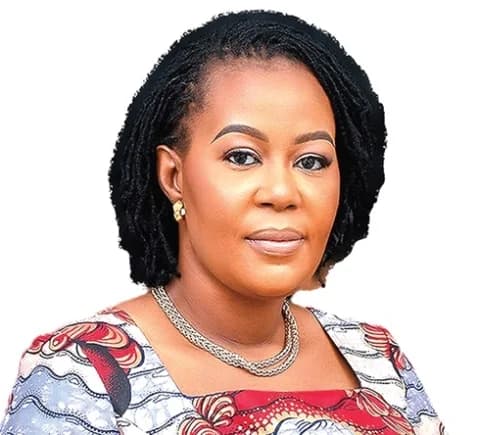
A critical component of this accountability drive involves the management of the District Assemblies Common Fund (DACF). The Parliamentary Select Committee on Local Government and Rural Development, led by Chairperson Queenstar Maame Pokua Sawyerr, has issued a stern warning to Metropolitan, Municipal, and District Chief Executives (MMDCEs) against the misappropriation of funds reserved for PWDs. The committee reported uncovering discrepancies amounting to millions of Cedis in various assembly accounts, where funds intended for disability welfare remained idle or were redirected. The committee has vowed to investigate these financial irregularities and hold responsible officials accountable to ensure public funds strictly support the socio-economic well-being of the disabled community.
Simultaneously, senior parliamentary leaders are advocating for mandatory employment quotas to combat the high unemployment rates that often lead to street begging—a situation Majority Leader Mahama Ayariga described as a "national embarrassment." Ayariga and Minority Chief Whip Frank Annoh-Dompreh have proposed amending Act 715 to include a five percent employment quota for PWDs in both the public and private sectors. The proposed reforms include tax exemptions for compliant organizations and a penal system for those that fail to meet these standards. Furthermore, Ayariga urged political parties to reserve internal quotas for disabled candidates to ensure their voices are represented in governance.
The advocacy also extends to specialized health needs and digital inclusion. Ewurabena Aubynn, MP for Ablekuma North, recently petitioned the Ministry of Gender, Children and Social Protection to implement practical measures for persons with albinism, including subsidized sunscreen and skin cancer screenings. These calls coincide with the National Day for Persons with Disabilities, themed "Access to Technology and Assistive Devices," which highlights the role of digital tools in facilitating full participation in society. Dr. Clement Abas Apaak, Chairman of the Parliamentary Caucus on Disability, emphasized that the integration of these concerns into national planning is essential for eliminating the systemic barriers PWDs face in healthcare, education, and employment.
Moving forward, the proposed amendments to the Disability Act have already been submitted to the Cabinet for review. Lawmakers and advocates remain committed to ensuring that these legislative changes are not merely symbolic but are backed by strong enforcement mechanisms. By focusing on economic empowerment, health equity, and strict financial oversight, Parliament aims to create a more inclusive Ghana where physical or sensory impairments do not preclude individuals from contributing to national development or accessing essential state resources.
This story touches markets covered on Anansi Intelligence ↗.
More from politics
Continue exploring similar stories


