••
African Leaders Urged to Honour Agricultural Funding Pledges and Prioritise Strategic Crop Investment
•2 min read•6 sources
Ghanaian officials and agricultural experts are calling for a radical shift in how African governments fund and perceive the agricultural sector to drive economic transformation. Speaking at the 4th Inter-Parliamentary Conference, the Minister for Food and Agriculture, Eric Opoku, raised an alarm over the consistent failure of many African nations to meet the 10% national budget allocation for agriculture and rural development. Despite commitments made under the Maputo and Kampala Declarations, Opoku revealed that many countries currently allocate less than 1% of their budgets to the sector, a shortfall that severely hampers poverty alleviation and sustainable development efforts across the continent.
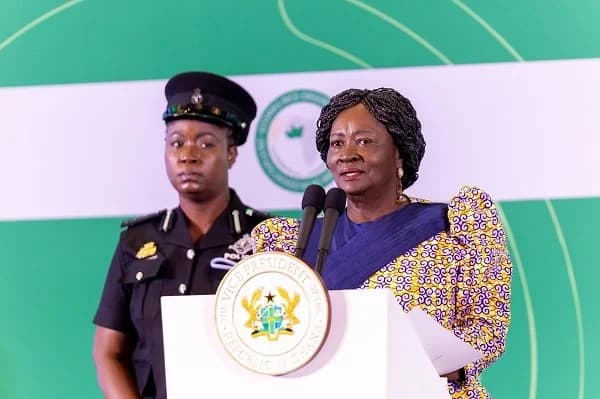
Supplementing this call for better fiscal discipline, Vice President Professor Naana Jane Opoku-Agyemang has urged African leaders to redefine their approach to specific commodities, particularly rice. During the West Africa Rice Investment Roundtable in Accra, she emphasized that rice must be viewed as a strategic economic asset rather than just a basic food crop. By integrating rice production into a broader agenda for regional integration and economic transformation, she argued that African nations could better leverage the crop to secure food sovereignty and stimulate industrial growth.
The disconnect between high-level policy and grassroots reality is currently being felt in Ghana’s Upper West Region, where farmers are grappling with a lack of modern equipment. While national leaders debate funding, local producers in districts such as Wa East and Daffiama-Bussie-Issa are facing delayed land preparation and reduced yields due to a shortage of tractors and mechanisation services. Women farmers, in particular, face significant disparities as they often gain access to equipment only after their male counterparts have finished, highlighting the need for targeted infrastructure that ensures equitable access to agricultural resources.
To bridge these gaps, the government is moving forward with the establishment of Farmer Service Centres, an initiative aimed at providing the mechanisation and input support necessary to boost productivity. Farmers have expressed optimism that these centres will mitigate the high costs of tractor services and modern inputs. Ultimately, the synthesis of meeting the 10% funding pledge, treating crops like rice as strategic assets, and providing localized infrastructure like service centres remains critical for Africa to achieve its goals of food security and long-term economic resilience.
This story touches markets covered on Anansi Intelligence ↗.
More from africa
Continue exploring similar stories


