••
Ghana Champions Sustainable Agriculture and Environmental Protection Amidst Rising Biodiversity Threats
•2 min read•4 sources
Ghana is intensifying its commitment to environmental stewardship and food security as the government moves to scale up sustainable farming practices while experts and activists issue urgent warnings regarding the country's biodiversity crisis. At the CIRAWA International Conference in Accra, Vice President Professor Jane Naana Opoku-Agyemang announced that the government is set to expand agroecological and nature-based farming practices under the Feed Ghana Programme. This four-year initiative aims to transform the agricultural sector by prioritizing crop diversification, agroforestry, and the use of bio-fertilisers and bio-pesticides. The Vice President emphasized that these sustainable approaches are necessary to combat environmental degradation and ensure food accessibility despite persistent global challenges.
Supporting this shift toward ecological preservation, Professor Edward Wiafe Debrah of the University of Environment and Sustainable Development recently warned that biodiversity should be viewed as a fundamental foundation for development rather than a luxury. In a compelling inaugural lecture, Professor Debrah highlighted how the decline in biodiversity directly threatens Africa’s food production, water security, and public health. He identified climate change, deforestation, and illegal mining as the primary drivers of habitat destruction, calling for a holistic approach that integrates scientific research with active community participation to safeguard the ecological systems essential for the continent’s economic growth.
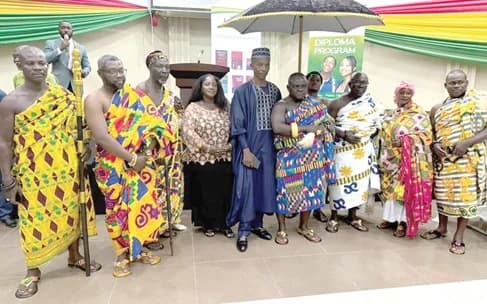
The human and social toll of environmental neglect was further highlighted during the launch of a new book titled "The Galamsey King Must Dance Naked and Other Stories From The Red Earth" by Martey Justice Akita. The publication serves as a stark call to action, documenting the widespread pollution and social damage caused by illegal small-scale mining, or galamsey, across Ghana. Prominent figures at the launch, including Akyempimhene Barimah Dr Addofo Kissi I and Nii Moi Thompson, echoed the book’s message, stressing that the nation must value its natural resources over the short-term wealth generated by destructive mining practices. They argued that without urgent institutional reforms and a shift in national values, Ghana faces a looming national crisis.
Collectively, these developments signal a growing national consensus on the need to protect Ghana’s natural heritage for future generations. Whether through the implementation of the National Agroecology Strategy or the cultural push against illegal mining, the message remains clear: environmental conservation is inseparable from economic and social survival. Moving forward, the success of these initiatives will depend on the effective collaboration between policymakers, scientists, and local communities to transition toward a more resilient and sustainable green economy.
This story touches markets covered on Anansi Intelligence ↗.
More from africa
Continue exploring similar stories


