••
African Diaspora and Leaders Champion Reparatory Justice and Economic Reconnection at Global Summits
•2 min read•3 sources
The movement to strengthen ties between Africa and its global diaspora is gaining momentum through a blend of cultural diplomacy, personal reconnections, and high-level calls for reparatory justice. In a landmark networking soirée held at the Smithsonian’s National Museum of African Art in Washington, D.C., EMY Africa recently brought together business leaders, government officials, and members of the diaspora to foster sustainable development. Founder Daniel Kojo Soboh emphasized that the event, which coincided with preparations for the 2026 FIFA World Cup, serves as a vital platform for showcasing African excellence and investment opportunities on a global stage, with notable support from U.S. Congresswoman Jasmine Crockett.
Parallel to these diplomatic efforts, personal narratives of homecoming are fueling the push for historical accountability. Illinois House member Carol Ammons recently traced her ancestry to Paga in Ghana, where she was enskinned as the Queen Mother for Peace and Development. Describing the experience as a profound emotional homecoming, Ammons vowed to use her legislative platform to advocate for reparations and raise awareness about the enduring impact of the transatlantic slave trade. Her commitment highlights a growing trend of diaspora leaders seeking not only cultural reconnection but also tangible justice and healing for historical grievances.
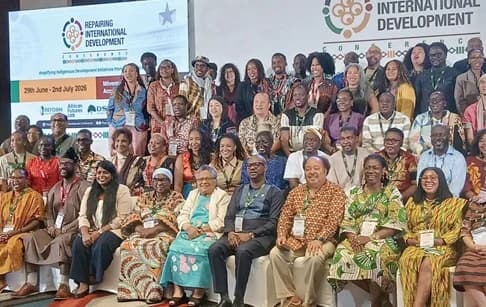
This call for repair is being institutionalized through new frameworks in international development. At a recent global conference, experts argued that future development models must move away from extractive colonial structures and toward community-led solutions. Makmid Kamara proposed a ‖Six Rs Framework—reconnection, re-education, repair, rebuild, resist, and reimagine—as a blueprint for addressing historical inequalities. Other speakers, including Dr. Liliane Umubyeyi and Dr. Ashwini K.P., stressed the importance of challenging inherited narratives and reclaiming indigenous knowledge to ensure that development is equitable and sustainable.
Ultimately, these diverse initiatives across Washington, D.C. and Ghana reflect a unified vision for Africa’s future. By combining economic networking with the pursuit of reparatory justice, leaders are attempting to build a more resilient relationship between the continent and its descendants abroad. As Africa continues to promote its achievements and advocate for historical repair, these efforts are expected to reshape international development and diplomatic engagement for years to come, ensuring that the diaspora remains an active participant in the continent's growth.
This story touches markets covered on Anansi Intelligence ↗.
More from africa
Continue exploring similar stories


