••
Minority Caucus Challenges Mahama Administration Over Mass Dismissals and Rising Utility Tariffs
•3 min read•15 sources
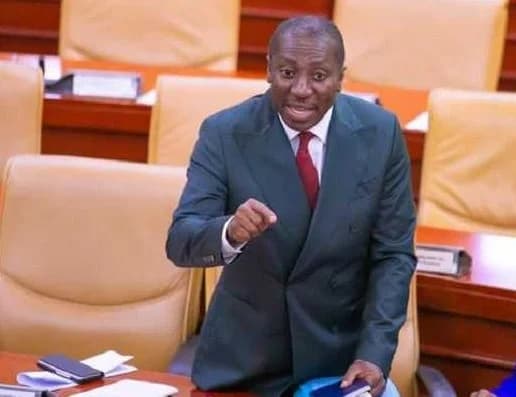
The New Patriotic Party (NPP) Minority Caucus has launched a scathing critique of the President John Dramani Mahama-led administration, following a series of directives that have sparked national debate over governance and economic stability. At the center of the controversy is a directive from the Chief of Staff, Julius Debrah, revoking all public sector appointments made after the December 7, 2024, elections. Former Vice President Dr. Mahamudu Bawumia and Minority Leader Alexander Afenyo-Markin have described these dismissals as "arbitrary," "unfair," and a breach of constitutional job security. Afenyo-Markin further warned that such politically motivated removals contradict the President’s pledge for inclusivity and disregard established merit-based recruitment processes.
Adding to the political tension, the Minority Energy Committee has condemned the Public Utilities Regulatory Commission (PURC) for its decision to implement a 3.49% increase in electricity tariffs and a 0.85% rise in water tariffs, effective July 1, 2026. Deputy Ranking Member Collins Adomako-Mensah labeled the hikes a "grave betrayal" of campaign promises made by the National Democratic Congress (NDC). The Minority argues that these adjustments—which contribute to a cumulative electricity tariff rise of 26.82% since January 2025—will severely undermine the government’s own 24-hour economy agenda by burdening manufacturers and eroding consumer purchasing power. The Institute for Energy and Policy Research (INSTEPR) has joined calls for a suspension of these hikes, citing a lack of transparency and data to justify the increases during a period where the Ghana Cedi has shown relative stability.
Institutional friction has further intensified with the Minority accusing state agencies of selective justice and political harassment. The NPP has decried the Office of the Special Prosecutor’s (OSP) declaration of former Finance Minister Ken Ofori-Atta as a fugitive, calling the move legally flawed given Ofori-Atta’s ongoing communication with the office. Simultaneously, the National Intelligence Bureau (NIB) faced criticism for summoning Minority Chief Whip Frank Annoh-Dompreh over alleged inciteful remarks, with Deputy Minority Leader Patricia Appiagyei highlighting a perceived double standard in how the bureau treats officials from the governing NDC versus the opposition.
These developments come as Afrobarometer (Round 10) data reveals that 61% of Ghanaians support periodic party turnover to ensure democratic health. However, governance experts, including Dr. Samuel Kofi Darkwa, warn that the current cycle of mass dismissals and institutional shifts underscores a desperate need for clear, merit-based guidelines for public sector appointments. Without explicit rules governing transitions, experts fear that political nepotism will continue to erode public trust. As the government navigates these early administrative challenges, the Minority has signaled its intent to use both parliamentary and legal avenues to challenge directives they believe threaten the nation’s democratic and economic foundations.
This story touches markets covered on Anansi Intelligence ↗.
Related topic
NDC (National Democratic Congress): Latest News →Live rates
Dollar to cedi rate →More from politics
Continue exploring similar stories


