••
NPP Alleges 'Administrative Breakdown' in Mahama Government Over Proposed Arabic and Chinese Language Curriculum
•3 min read•12 sources
The New Patriotic Party (NPP) has called on President John Mahama to address what it describes as a significant "policy breakdown" and lack of coordination within the education sector. This follows contradictory reports regarding the potential introduction of Arabic and Chinese languages into the public school curriculum. While President Mahama has publicly stated that no such policy has been approved for implementation, the opposition insists that preparatory activities by government agencies indicate the initiative has advanced without proper executive authorization, raising concerns about transparency and administrative integrity.
Dr. Kwabena Bempah Tandoh, spokesperson for the NPP’s Education Policy Committee, pointed to specific evidence suggesting a disconnect within the administration. He cited reports, including a September publication in the Daily Graphic, indicating that the National Council for Curriculum and Assessment (NaCCA) has already engaged curriculum writers and conducted training workshops for teachers on the Chinese curriculum. Dr. Tandoh argued that these actions directly contradict the President’s denials and signify a lack of stability and predictability in governance, which could ultimately erode the confidence of teachers, students, and parents in the nation's educational system.
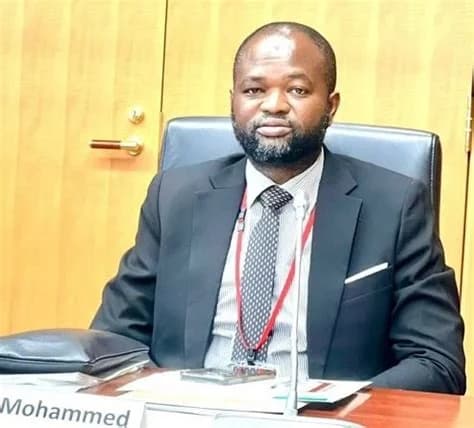
In response to these allegations, the Ministry of Education has sought to clarify the administrative process. Hashmin Mohammed, Press Secretary to Education Minister Haruna Iddrisu, explained that the proposals to include Arabic and Chinese are currently recommendations from NaCCA and have not yet transitioned into official government policy. According to Mohammed, these recommendations must undergo a rigorous evaluation process, including formal review by the Ghana Education Service (GES), before being presented to the Cabinet for final approval or rejection. He maintained that the ministry is adhering to established procedures and that communicating these recommendations should not be mistaken for a final executive decision.
Amidst the political friction, Kofi Asare, Executive Director of Africa Education Watch (EduWatch), has advocated for a more measured approach to the debate. He recommended launching a pilot program in selected public schools to assess the effectiveness and relevance of Mandarin instruction before any nationwide rollout. Asare noted that over 15,000 Ghanaians have already received Mandarin training through various partnerships, providing a solid foundation for the subject. He further argued that such an initiative could help bridge the educational divide, as Chinese language instruction is currently a competitive advantage largely reserved for students in private schools.
The controversy has prompted the NPP to demand greater accountability from the executive branch, with some opposition members even calling for the removal of Education Minister Haruna Iddrisu over the handling of the proposal. As the debate continues, stakeholders are looking for a clear path forward that balances international language literacy with administrative transparency. The resolution of this perceived confusion is seen as vital for maintaining the credibility of the National Curriculum Framework and ensuring that educational reforms are both well-coordinated and clearly communicated to the Ghanaian public.
Related topic
Ghana Education Service (GES): Latest News Today →

