••
Ghana Education Service to Make Sign Language a Compulsory Subject in Basic Schools Within Five Years
•2 min read•4 sources
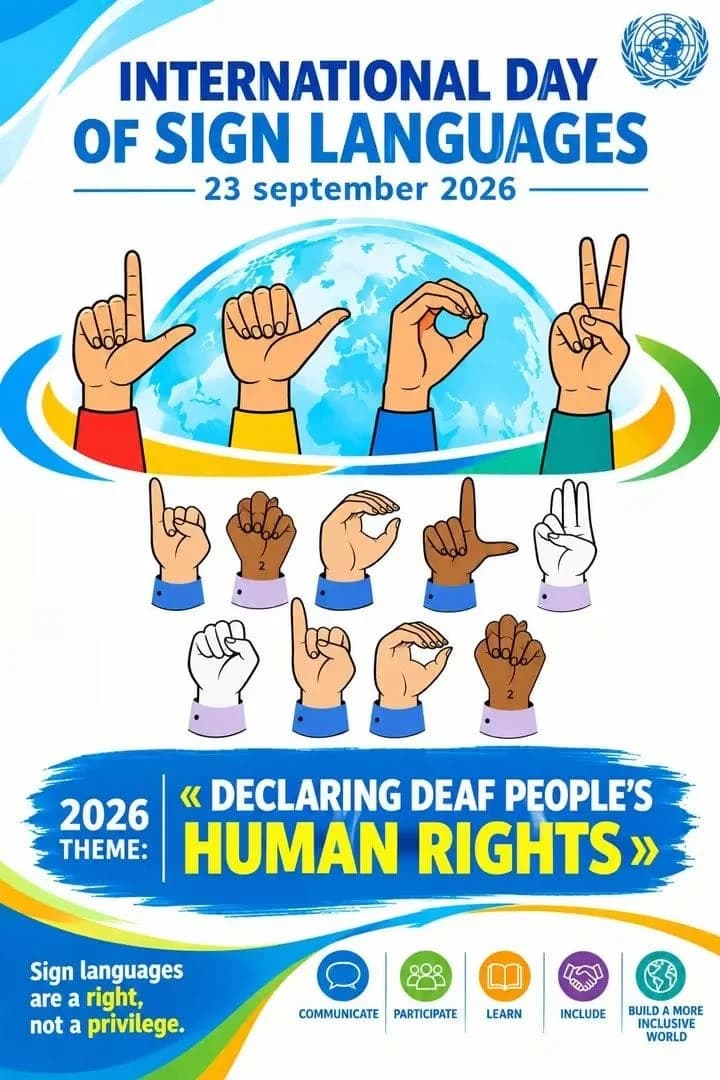
The Ghana Education Service (GES) has announced a significant policy shift that will see Sign Language integrated as a compulsory subject within the national basic school curriculum over the next five years. Ms. Gloria Ntim, representing the Special Education Division (SPED) of the GES, revealed this initiative during a forum commemorating the International Day of Sign Languages. The move is designed to dismantle communication barriers and foster a more inclusive educational environment, ensuring that deaf and hard-of-hearing students are better integrated into the broader Ghanaian society.
As a primary step toward this national rollout, the National Council for Curriculum and Assessment (NaCCA) has officially approved a pilot program. This initial phase will be implemented in selected special schools across the country, allowing the GES to refine the curriculum and teaching methodologies before the subject is introduced to the general student population. Educational stakeholders have praised the decision, noting that making Sign Language a core component of basic education is a fundamental step toward protecting the communication rights of all citizens, regardless of their physical abilities.
The announcement coincides with intensified calls from disability rights advocates for the swift passage of the Persons with Disabilities Bill, 2026. During the commemorative events, various speakers emphasized that robust legislative support is essential to empowering individuals with disabilities and ensuring equitable access to public services. Advocates and representatives from the Ghana National Association of the Deaf (GNAD) also stressed the vital role of parents and caregivers, urging them to become active partners in the inclusive education process to support the linguistic development of children with hearing impairments.
These developments form a central part of the activities marking the International Week of the Deaf, which runs from September 21 to 27, 2026. The week-long celebration focuses on promoting the inclusion of the deaf community in national development and raising awareness about their unique cultural and linguistic identity. By transitioning Sign Language from a specialized skill to a standard part of the Ghanaian education system, the government aims to drive long-term systemic change that prioritizes equality and accessibility for every child in the country.
Related topic
Ghana Education Service (GES): Latest News Today →

