••
NPA Hikes Fuel Price Floors for February as Ghana's Oil Marketing Companies Begin Pump Price Adjustments
•2 min read•16 sources
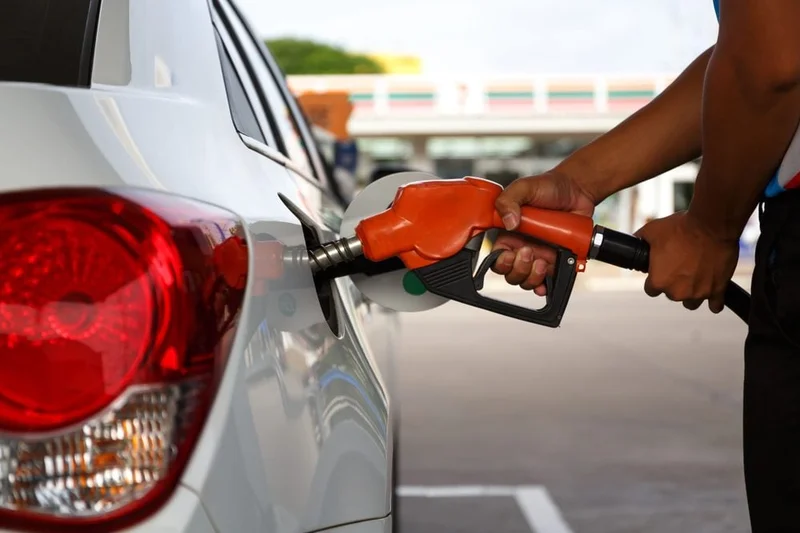
The National Petroleum Authority (NPA) has officially implemented new minimum price levels for petroleum products for the first half of February 2026, triggering a wave of price adjustments across Ghana's retail fuel market. Effective from February 1 to February 15, the directive mandates that no Oil Marketing Company (OMC) or Liquefied Petroleum Gas Marketing Company (LPGMC) sells below the established thresholds. This regulatory move coincides with a broader market trend of rising costs, with industry experts projecting retail increases between 2% and 5% per litre across several pump stations in the coming days.
Under the new guidelines, the price floor for diesel has been set at GH¢10.95 per litre, up from GH¢10.47, while petrol is pegged at GH¢9.99 per litre, an increase from GH¢9.80. Liquefied Petroleum Gas (LPG) is now priced at GH¢9.05 per kilogram. Major market players have already begun aligning their prices with these floors. For instance, market leader Star Oil has raised its petrol price to exactly GH¢9.99 while keeping diesel at the GH¢10.95 minimum. Zen Petroleum also revised its rates, adjusting petrol to GH¢9.99 and diesel to GH¢11.44, with these changes taking effect by February 2.
The upward revision is primarily driven by the dual impact of a weakening Ghanaian cedi and a surge in international crude oil prices. Within a brief window, global crude prices jumped from approximately $64 to nearly $70 per barrel, while the cedi depreciated by 0.77%, moving from GH¢10.90 to GH¢10.98 against the US dollar. The NPA maintains that the price floor policy, originally introduced in April 2024, is essential to prevent market distortions and curb aggressive undercutting practices that could jeopardize the financial sustainability of the downstream petroleum sector.
Despite the NPA’s aim for market stability and transparency, the policy remains a point of significant contention within the industry. Star Oil notably exited the Chamber of Oil Marketing Companies (COMAC) in protest, arguing that the price floors restrict competitive pricing and prevent companies from passing savings to consumers. While COMAC has generally supported the measure to ensure the health of the sector, the Chamber noted that intense competition is currently forcing most firms to price their fuel only marginally above the official floor. As more OMCs finalize their reviews, the Bank of Ghana remains focused on maintaining price stability amidst these shifting economic dynamics.
This story touches markets covered on Anansi Intelligence ↗.
Live rates
Dollar to cedi rate →More from business
Continue exploring similar stories


