••
Transport Minister Nikpe Signs Major Rail Deal Amid Political Row Over Locomotive Suitability and Nationwide Road Demands
•3 min read•16 sources
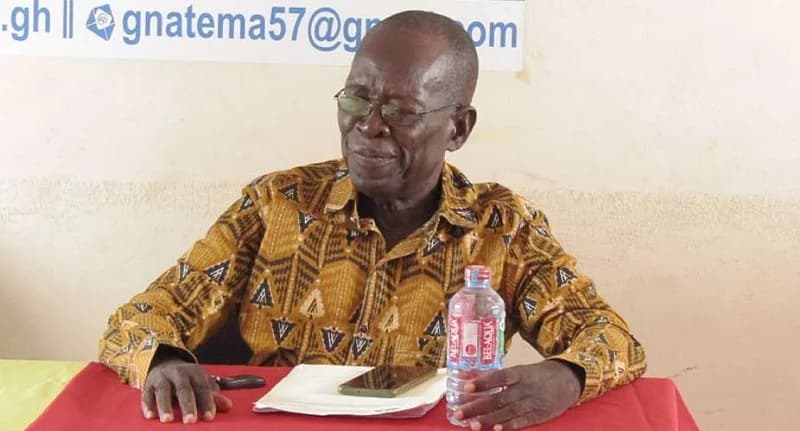
The Ghanaian government's infrastructure and logistics agenda is facing both strategic advancement and intense political scrutiny as the Ministry of Transport signs a landmark rail freight deal while defending the procurement of controversial locomotives. This national push for modernized transport coincides with a wave of grassroots demands for road and bridge repairs across the Ho West, Amansie West, and Greater Accra regions. The intersection of high-level logistics agreements and local community protests highlights the ongoing tension between national development goals and the immediate connectivity needs of the citizenry.
Transport Minister Joseph Bukari Nikpe recently finalized a milestone off-taker agreement with MES Logistics, a partnership designed to decongest Ghana's roads by shifting cargo movement to the railway network. The agreement includes the acquisition of two locomotives and 20 wagons, which are expected to lower logistics costs and improve supply chain efficiency. However, the procurement has sparked a heated debate, with the New Patriotic Party (NPP) and former MP Samuel Ayeh-Paye labeling the British Rail Class 56 engines as "museum locomotives" that may fail within three years. Dr. Frederick Appoh, CEO of the Ghana Railway Development Authority (GRDA), has refuted these claims, asserting that the GH"38.7 million investment followed rigorous technical evaluations and that the engines have a projected 15-year lifespan.
While the railway debate continues in the capital, local infrastructure challenges have triggered both official interventions and civil unrest. In Ho West, MP Emmanuel Kwasi Bedzrah announced that reconstruction of the collapsed Dzolokpuita–Akome Bridge will begin next week using a complete steel structure. Similarly, in Hohoe, MP Thomas Worlanyo Tsekpo has cut sod for two new bridges to enhance mobility for farming communities. These actions stand in contrast to the situation in Amasaman and Obeyeyie, where residents staged demonstrations against "impassable" roads that have tripled transport fares. In the Upper East Region, the National Democratic Congress (NDC) has further pressured the government, demanding immediate repairs to the GH"50.8 million Sumbrungu Namong road, which has shown significant defects less than two years after completion.
Beyond transport, the government is advancing plans for industrial growth and administrative reform. Chief of Staff Julius Debrah has appealed for land in Akyem Abuakwa to establish one of the country's largest palm processing factories, aimed at generating local employment. Simultaneously, the Ghana Federation of Labour (GFL) has expressed support for a proposal to create a new administrative capital to ease the congestion of Accra and promote balanced national development. In the agricultural sector, Deputy Minister John Dumelo informed Parliament of new interventions for maize and bean farmers in the Atebubu-Amantin District, including increased grain purchasing by the National Food Buffer Stock Company (NAFCO) to stabilize prices and secure farmer earnings.
These multifaceted developments underscore a complex political landscape where the administration is attempting to balance long-term industrialization with the immediate pressures of an active electorate. As the "Big Push" road programme reaches 73% completion in the Ajumako-Enyan-Essiam District, the government's ability to deliver on both the high-level logistics of the rail sector and the basic infrastructure needs of rural communities will remain a focal point of national accountability and political discourse heading into the next election cycle.
This story touches markets covered on Anansi Intelligence ↗.
Related topic
NDC (National Democratic Congress): Latest News →More from politics
Continue exploring similar stories


