••
Interior Minister Muntaka Mubarak Outlines National Security Strategy Amid Major Drug Seizures and Border Vulnerability
•3 min read•20 sources
Interior Minister Mohammed-Mubarak Muntaka has provided a comprehensive update to Parliament’s Assurances Committee regarding Ghana’s security landscape, highlighting major narcotics operations and the identification of significant vulnerabilities at the nation’s borders. Central to his report was the confirmed destruction of cocaine valued at over $350 million, which was intercepted at Pedu Junction in March 2025. This action, supported by video evidence and court orders, underscores the government’s commitment to transparency in the disposal of seized illicit substances. However, the Minister also revealed a troubling investigation into a 320-kilogram methamphetamine shipment intercepted in Australia, which has implicated several Ghanaian government officials. Preliminary inquiries suggest potential insider collusion within the security frameworks, prompting an overhaul of personnel deployment to prevent the exploitation of border systems.
Beyond high-profile seizures, the Minister addressed the structural and regulatory challenges facing the Narcotics Control Commission (NACOC). Currently, NACOC operates in only 66 of Ghana’s 261 districts due to severe resource constraints, although the government aims for full nationwide coverage within six years. To bolster oversight, NACOC has mandated that all pharmacies, laboratories, and businesses handling precursor chemicals and controlled equipment register by July 31, 2026. Major General Maxwell Obuba Mantey, Director-General of NACOC, further highlighted the difficulty of intelligence gathering, noting a worrying trend where informants demand material rewards, such as houses, in exchange for tips. Additionally, the Minister clarified the legal landscape regarding cannabis, urging citizens to distinguish between regulated industrial production and illegal cultivation, which remains a criminal offense.
On the front of territorial integrity, the Interior Ministry identified 102 unauthorized entry points in the Volta Region alone, far outnumbering the region's official crossings. This porosity poses a significant risk for transnational crime, prompting the establishment of 63 inland checkpoints and plans for state-of-the-art scanning technology at Kotoka International Airport and major ports, supported by the Singaporean government. The Minister also updated Parliament on the Sapeiman case involving intercepted gold bars and counterfeit currency. While several individuals are being prosecuted and the fake notes have been destroyed, the mastermind remains at large. To prevent further escapes, key figures linked to the case have been placed on a national stoplist.
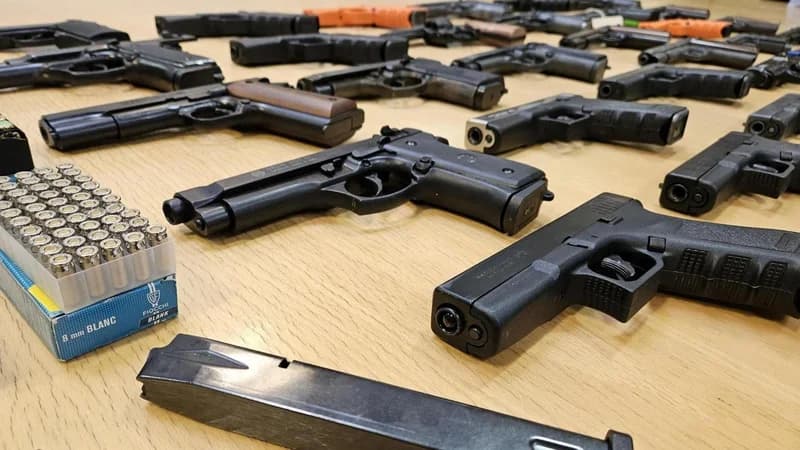
Finally, the government has revised its stance on firearm regulations following pressure from civil society and the impact of recent flooding. A previous directive to revoke civilian firearm licenses has been replaced with a moratorium lasting until December 2026. During this period, current license holders are permitted to retain their permits until expiration, after which they must undergo mandatory mental health assessments, drug tests, and firearms training for renewal. This phased approach aligns with recommendations from civil society coalitions which had advocated for a more coordinated revalidation process to maintain public trust. These measures collectively signal a shift toward a more intelligence-led and technologically advanced security strategy intended to secure Ghana’s borders and public safety.
This story touches markets covered on Anansi Intelligence ↗.
Live rates
Ghana gold price →More from politics
Continue exploring similar stories


