••
African Political Landscapes Under Strain: Media Crackdowns in Uganda and Gabon as Senegal Navigates Constitutional Power Shifts
•3 min read•5 sources
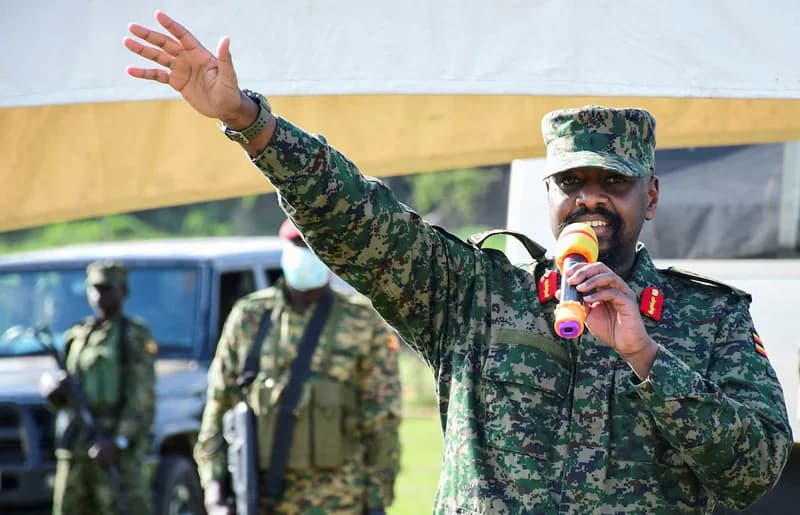
The political landscape across the African continent is witnessing a period of intense volatility, marked by a stark contrast between deepening authoritarianism in some regions and complex institutional reforms in others. In East Africa, Uganda’s military chief, General Muhoozi Kainerugaba, has initiated a severe crackdown on independent media, while Central Africa sees a similar decline in civic space in Gabon following its 2023 coup. Conversely, in West Africa, Senegal is grappling with a significant constitutional debate as the National Assembly attempts to reshape the balance of power between the executive and legislative branches, reflecting a continent-wide struggle over the future of democratic governance.
In Uganda, the situation reached a boiling point when General Muhoozi Kainerugaba, son of long-serving President Yoweri Museveni, ordered the immediate shutdown of major media outlets, including the Daily Monitor, NTV Uganda, and Spark TV. Declaring that he does not believe in a free press, Kainerugaba oversaw a military siege where armed soldiers surrounded media headquarters, preventing staff movement and forcing broadcasts to cease. This move has drawn sharp condemnation from human rights groups and opposition leaders like Bobi Wine, who view the suppression as an attempt to silence independent voices ahead of a potential dynastic succession. Similarly, in Gabon, the initial optimism following General Brice Clotaire Oligui Nguema’s August coup has been replaced by a repressive climate. The government has increasingly targeted social media critics and journalists, leading to the flight of prominent figures like TikTok star Nelly Ngabima and the suspension of accounts critical of the transitional administration.
While Uganda and Gabon face tightening military grips, Senegal is navigating a tumultuous transition of a different kind. The Senegalese National Assembly recently passed a bill intended to limit presidential authority and bolster the powers of the parliament and prime minister. The proposal, backed by the Pastef party, seeks to prevent the president from leading a political party and changes the drafting process for government programs. However, the legislative victory was marred by intense friction, including an opposition boycott and heated floor debates. Outside the Assembly, tensions spilled into the streets as police used tear gas to disperse protesters, highlighting the deep societal divisions surrounding these reforms.
In response to the legislative maneuver, Senegalese President Bassirou Diomaye Faye has announced a national referendum to decide the fate of these constitutional changes. This move underscores a fundamental tension between the executive branch and a parliament seeking more oversight. Across these three nations, the developments reveal a common thread: the fragility of institutional checks and balances. Whether through the direct military suppression of information in Uganda and Gabon or the high-stakes constitutional maneuvering in Senegal, the coming months will be critical in determining whether these nations move toward consolidated democratic processes or further entrenched personalistic rule.
This story touches markets covered on Anansi Intelligence ↗.
More from politics
Continue exploring similar stories


