••
Gen. Muhoozi Kainerugaba Orders Military Siege and Shutdown of Uganda’s Leading Independent Media Outlets
•2 min read•5 sources
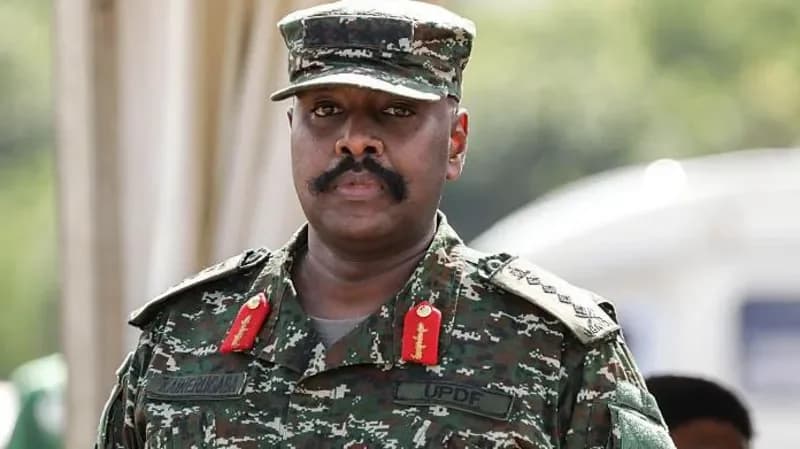
In a significant escalation of media repression in Uganda, General Muhoozi Kainerugaba, the country's military chief and son of President Yoweri Museveni, has ordered the immediate shutdown of several prominent independent media outlets. The affected organizations, which include the Daily Monitor newspaper, NTV Uganda, and Spark TV, have reported being under a 'military siege' as armed soldiers were deployed to their headquarters in Kampala. These actions have resulted in television stations being taken off the air and a complete halt to newspaper distribution, drawing widespread international concern and condemnation from press freedom advocates. General Kainerugaba has been blunt about the motivations behind the crackdown, explicitly stating his lack of belief in a free press. He asserted that media outlets should operate under the rules of the ruling party and be managed by military cadres rather than independent journalists. According to the General, these shutdown orders were sanctioned by his father, President Museveni, who has maintained a 40-year hold on power. This stance represents a major shift toward overt state control of information and a rejection of democratic norms regarding freedom of expression in the East African nation. This crackdown follows a long history of state-led intimidation against the Daily Monitor and NTV, both of which have been targeted in the past for their critical coverage of the government. The current political atmosphere in Uganda is increasingly tense, following a controversial election cycle that the United Nations and human rights groups described as being marked by repression and intimidation. Observers suggest that these moves are part of a broader strategy to secure the ruling family's legacy, particularly as the President appears to be grooming Kainerugaba as his political successor. The international community and human rights organizations have condemned the military siege as a dangerous move toward total authoritarianism. Critics argue that by silencing the country’s most vocal independent outlets, the government is removing critical oversight and transparency. As the military continues to occupy media offices, the future of independent journalism in Uganda hangs in the balance, signaling a challenging road ahead for civil liberties and the protection of democratic institutions.
This story touches markets covered on Anansi Intelligence ↗.
More from politics
Continue exploring similar stories


