••
President Mahama Initiates Major State Land Reclamation and Restores Achimota Forest Reserve Status
•3 min read•18 sources
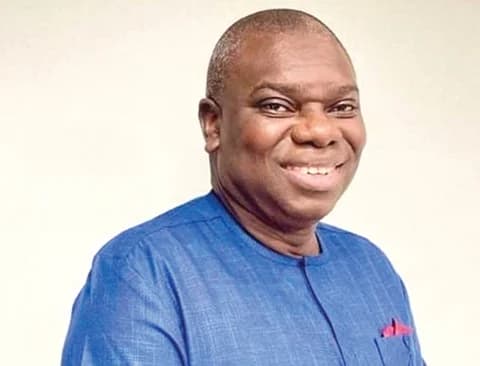
President John Dramani Mahama has launched an extensive initiative to reclaim public lands and enhance accountability in state asset management. Following a comprehensive review of questionable land transactions, the President announced a suspension on the processing of title documents for specific incomplete land allocations. During a high-level meeting with the Greater Accra Region House of Chiefs, Mahama emphasized that these measures are necessary to curb the improper disposal of state properties and ensure that public resources are protected from being undervalued or sold to politically exposed individuals. This push for transparency includes the preparation of new legislation that would require strict legal procedures and prior parliamentary approval for any future disposal of state-owned assets.
A central pillar of this reform is the preservation of Ghana's environmental heritage, specifically the Achimota Forest Reserve. President Mahama announced the revocation of Executive Instrument 144 (EI 144), effectively restoring the forest's full protected status and halting any plans for private development within the reserve. This move has been widely praised by environmental groups, including the Journalists for Responsible Fisheries and Environment (JRFE), who view it as a critical step for biodiversity and climate resilience. The President also issued a stern warning to traditional authorities against the sale of lands in waterways, wetlands, and buffer zones, noting that such practices significantly exacerbate chronic flooding in the Greater Accra Region, which recently affected over 38,000 residents.
To institutionalize these changes, the government is proposing constitutional amendments to clarify the roles of traditional leaders within local governance. This move responds to requests from the Nungua Mantse, Oboade Notse King Professor Odaifio Welentsi III, and other chiefs for improved collaboration between the chieftaincy institution and local government assemblies. Mahama acknowledged the long-standing concerns regarding state-acquired lands affecting the Ga-Dangme people and committed to a transparent dialogue to resolve ownership and compensation disputes. The President’s agenda aims to align traditional leadership with modern administrative goals to ensure sustainable urban development and land use.
Implementation of these reforms will rely heavily on stricter enforcement of existing regulations. Professional bodies, such as the Local Government Service Association of Physical Planners (LoGSAPP), and agencies like TDC Ghana Ltd are calling on Metropolitan, Municipal, and District Assemblies (MMDAs) to vigorously enforce the Land Use and Spatial Planning Act, 2016 (Act 925). This includes prosecuting those who sell land without proper certification and demolishing illegal structures on Ramsar sites. While some officials, including Michael Harry Yamson of the District Assemblies Common Fund, argue that existing legal frameworks are sufficient if properly enforced, the administration remains committed to introducing new legislative safeguards to prevent future encroachment on public spaces like the Efua Sutherland Park, which has been reaffirmed as state-owned property.
As the government moves forward with these land administration reforms, the focus remains on restoring public trust and building climate-resilient infrastructure. By combining legislative reform, the restoration of protected environmental zones, and the inclusion of traditional authorities in the governance process, the administration seeks to create a more transparent system of land management. These efforts are expected to mitigate the impact of seasonal flooding, protect national assets for future generations, and ensure that the disposal of public property is handled with the highest level of parliamentary and public oversight.
This story touches markets covered on Anansi Intelligence ↗.
Related topic
John Mahama: Latest News & Updates →More from politics
Continue exploring similar stories


