••
President Mahama Unveils $250m Shama Glass Factory and Tax Incentives for 24-Hour Economy
•2 min read•3 sources
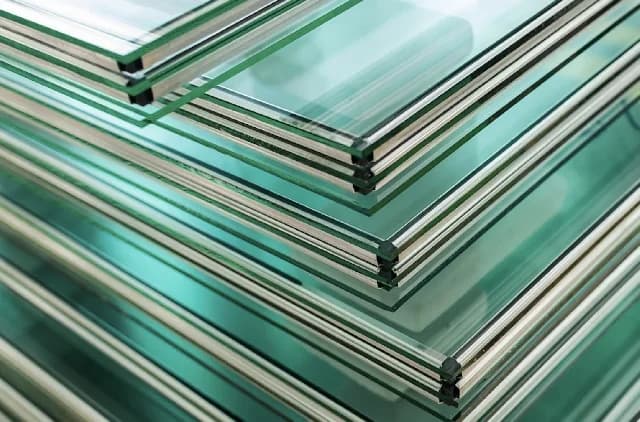
President John Dramani Mahama has officially commissioned a $250 million float glass manufacturing facility in Shama, signaling a major push toward an export-led industrial economy. During the ceremony, the President also announced a strategic policy shift, granting duty- and tax-free incentives on imported capital equipment for factories participating in the government's 24-hour economy initiative. This twin development marks a significant milestone in the administration's efforts to revitalize Ghana’s manufacturing sector and foster a more resilient economic framework. The state-of-the-art float glass project is designed to fundamentally alter Ghana's trade balance by reducing reliance on imported glass products. At its initial stage, the facility is expected to produce 600 tonnes of glass daily, with plans to scale up to a full capacity of 1,400 tonnes. Economic projections suggest that the factory could generate nearly $100 million in annual export earnings, positioning Ghana as a regional powerhouse in the glass industry. Beyond the financial figures, the project is slated to create over 2,000 direct jobs, providing a substantial boost to the local economy in the Western Region. Expanding on the 24-hour economy programme, President Mahama emphasized that the newly announced tax incentives are aimed at encouraging industrial growth and enhancing national productivity. By removing the financial burden of duties on critical manufacturing machinery, the government hopes to attract more large-scale investments and ensure that local capacity matches global standards. Mahama linked this industrial resurgence to the vision of Ghana's first president, Dr. Kwame Nkrumah, noting that a nation's strength lies in its ability to produce what it consumes and export its surplus. The inauguration of the Shama glass factory is seen as a cornerstone of Ghana’s broader industrial comeback. As the facility ramps up production, it is expected to bolster economic stability by curbing foreign exchange outflows and creating a ripple effect of auxiliary business opportunities. The President reaffirmed his administration's commitment to industrialization, stating that these initiatives are essential for transforming Ghana into a high-growth, manufacturing-driven economy that serves both domestic needs and international markets.
This story touches markets covered on Anansi Intelligence ↗.
Related topic
John Mahama: Latest News & Updates →Live rates
Dollar to cedi rate →More from business
Continue exploring similar stories


