••
Ghana’s Anti-Corruption Fight Intensifies Amid National Cathedral Probe and Declining Transparency Rankings
•3 min read•10 sources
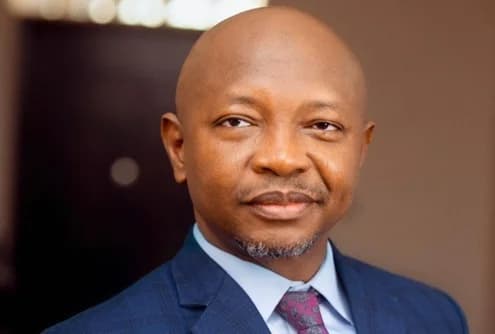
Ghana is facing a critical juncture in its governance and accountability landscape, highlighted by a series of high-profile corruption investigations and a sharp decline in international transparency scores. Central to this crisis is the National Cathedral project, which has seen its estimated cost balloon from $100 million to $400 million. President John Mahama’s Operation Recover All Loot (ORAL) committee is currently investigating allegations of financial mismanagement and corruption involving key figures, including former Finance Minister Ken Ofori-Atta. The project, once intended as a national monument, now serves as a symbol of unfulfilled promises and fiscal opacity, with the government hinting at a potential abandonment of the site due to insufficient private funding and mounting public outcry.
Institutional and legal experts are calling for a radical overhaul of Ghana’s anti-corruption framework to address these systemic failures. Private legal practitioner Andrew Appiah Danquah and former Auditor General Daniel Yaw Domelevo have both advocated for stronger enforcement mechanisms, such as mandatory lifestyle audits and the consolidation of fragmented anti-corruption laws. Domelevo specifically criticized the current practice of submitting asset declarations in sealed envelopes without verification, calling instead for a transparent system that tracks wealth accumulation in real-time. Similarly, former MP Ras Mubarak has proposed an "Unexplained Wealth Law," modeled after UK legislation, to empower authorities to seize assets that cannot be justified by an official's known income.
The urgency of these reforms is underscored by a significant decline in Ghana’s global standing regarding fiscal transparency. The latest Open Budget Survey (OBS) scored Ghana a mere 22 out of 100 on its transparency index, placing the country among the lowest-performing nations globally. Harriet Nuamah Agyemang, Country Director of SEND Ghana, noted that the delayed publication of budget documents has severely restricted public engagement and oversight. This decline correlates with data from CIVICUS, which has downgraded Ghana’s civic space from "Narrowed" to "Obstructed" since 2022, suggesting that a shrinking environment for civil society is directly hampering the fight against corruption.
Public sentiment reflects these institutional challenges, with the percentage of Ghanaians believing corruption has "increased a lot" rising from 20% in 2017 to 69% in 2022. In response, Special Prosecutor Kissi Agyebeng is scheduled to deliver a keynote lecture on February 28, 2025, focused on suppressing state capture and reforming democratic structures to foster accountability. As the government faces pressure from both domestic advocates and international monitors, the coming months will be pivotal in determining whether the state can implement the necessary legal restructurings—including ensuring the independence of the Office of the Special Prosecutor—to restore public trust and stabilize the nation's fiscal governance.
This story touches markets covered on Anansi Intelligence ↗.
Related topic
John Mahama: Latest News & Updates →More from politics
Continue exploring similar stories


