••
President Mahama and Regional Minister Linda Ocloo Lead National Clean-Up as Government Pledges $150M for Flood Prevention
•3 min read•26 sources
President John Dramani Mahama has led a massive two-day National General Clean-Up Exercise across Ghana, mobilizing citizens and resources to address the aftermath of the devastating June 29, 2026 floods. The exercise, held on July 10 and 11, saw a coordinated effort between the government, traditional authorities, and private waste management providers like Zoomlion. Minister for Local Government, Chieftaincy, and Religious Affairs, Ahmed Ibrahim, mandated the temporary closure of markets and commercial establishments in affected regions to ensure maximum participation. This initiative marks a significant step in the government's strategy to restore environmental cleanliness and mitigate the risks of future flooding, which has recently caused significant destruction and displacement in the capital and surrounding areas.
A central theme of the exercise has been a shift toward strict enforcement and administrative accountability. Greater Accra Regional Minister Linda Ocloo issued a stern warning to Metropolitan, Municipal, and District Chief Executives (MMDCEs), vowing to dismiss any official found to have authorized construction on waterways, stating she is ready to make a "scapegoat" of those who compromise public safety. Minister of State for Government Communications Felix Kwakye Ofosu echoed this sentiment, announcing that the National Security Council has approved the demolition of obstructive structures and the reactivation of dormant waste transfer stations. In Kumasi and Asokore Mampong, local authorities have already begun summoning sanitation offenders to environmental courts and threatening prosecution for shop owners who failed to participate in the cleaning activities.
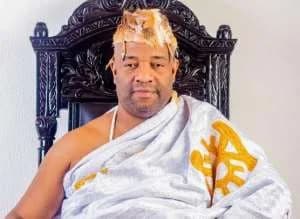
During an inspection of the Alajo drains, President Mahama lamented the indiscriminate dumping of silt, plastics, and household waste, which he identified as a primary cause of drainage blockages. To support long-term solutions, the President announced a $150 million fund dedicated to flood prevention and drainage improvements. Joseph Siaw Agyepong, Executive Chairman of the Jospong Group, supported the call for stricter by-law enforcement, noting that weak infrastructure often fuels illegal dumping. Meanwhile, the Ga Mantse, King Tackie Teiko Tsuru II, played a pivotal role by ordering a total halt to commercial activities during the morning hours of the exercise to facilitate community-led desilting and refuse clearing across Accra.
While the immediate mobilization was extensive, policy experts have called for more sustainable urban planning to replace temporary measures. Analyst Michael Kosi Dedey criticized reliance on "knee-jerk" clean-ups, advocating instead for a comprehensive strategy that empowers local assemblies and addresses the root causes of urban congestion. In a similar vein, EM Advisory Limited proposed a "Tri-Pole Economy Model" to redistribute economic activity away from Accra to reduce the city’s extreme population density. Minister Ahmed Ibrahim further emphasized that the future of Ghana's sanitation lies in recycling and modern waste processing plants rather than just collection, signaling a potential policy shift toward a more circular and resilient urban environment.
This story touches markets covered on Anansi Intelligence ↗.
Related topic
John Mahama: Latest News & Updates →More from politics
Continue exploring similar stories


