Ghana News AI
HomeBriefsAsk GhanaAnalysisTopicsAbout
•
•

Stay Informed

Get AI-curated news briefs from Ghana delivered to your inbox every morning. Free forever, no spam.

Explore

  • Home
  • Briefs
  • About

Features

  • Analysis
  • Cedi Rates
  • Dollar to Cedi
  • Ghana Gold Price

Topics

  • All Topics
  • Armed Forces Recruitment
  • Immigration Service Recruitment
  • Fire Service Recruitment
  • Prisons Service Recruitment
  • Customs Recruitment
  • WAEC Results & News
  • Ghana Education Service

Legal

  • Privacy Policy
  • Terms of Service
Ghana News AI© 2026 Ghana News AI. All rights reserved.
Made withfor Ghana
politics

President Mahama Directs Infrastructure Quality Checks as NPP Minority and Civil Society Demand Greater Transparency

2 days ago•3 min read•10 sources
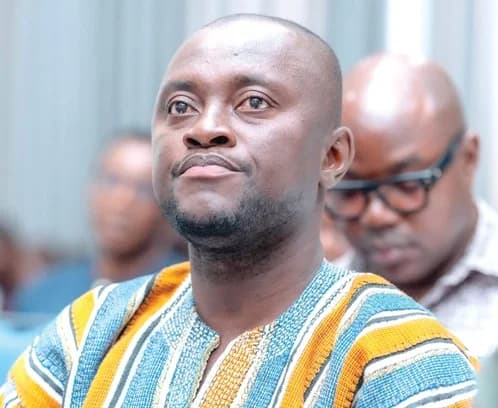
Samuel Obeng — Executive Director, Parliamentary Network Africa

The Ghanaian political landscape in mid-2026 is being defined by a intensified push for transparency across the legislative, infrastructure, and utility sectors. President John Dramani Mahama has issued a stern directive to road engineers and contractors involved in the government's "Big Push" infrastructure projects, mandating strict quality assessments before any payments are approved. This move aims to ensure value for money and enhance the durability of national assets. However, the administration simultaneously faces sharp criticism from the NPP Minority Transport Policy Committee, which has raised concerns over the acquisition of refurbished diesel locomotives and freight wagons for the Tema–Mpakadan railway line. The Minority has labeled the equipment as outdated relics of the "Margaret Thatcher era," demanding full disclosure regarding the costs, maintenance plans, and operational lifespan of the investments.

On the legislative front, Parliamentary Network Africa has proposed a significant reform to the law-making process, calling for the Executive to provide formal written justifications for any bills submitted under a Certificate of Urgency. This recommendation follows findings that 34 out of 39 bills passed in the Ninth Parliament were expedited, effectively bypassing standard gazette requirements and public scrutiny. The advocacy group argues that amending Rule 160 of the Standing Orders is essential to clarify when urgency can be invoked. This call for institutional integrity aligns with Vice-President Professor Naana Jane Opoku-Agyemang's recent address at the 2026 National Labour Conference in Ho, where she urged organized labour to lead the fight against absenteeism and corruption while fostering a spirit of renewed patriotism to bolster the post-crisis economy.

Transparency concerns have also extended to utility pricing, with energy analysts and the Centre for Environmental Management and Sustainable Energy (CEMSE) urging the Public Utilities Regulatory Commission (PURC) to adopt more transparent tariff-setting frameworks. Following a 3.49% increase in electricity tariffs and a 0.85% hike in water rates for the third quarter of 2026, experts are calling for PURC to emulate the National Petroleum Authority’s (NPA) model by disclosing the weighting of factors such as inflation and exchange rates. While the Chinese government has commended Ghana's pursuit of energy self-reliance, domestic stakeholders remain focused on ensuring that the cost of such independence is clearly communicated to the public.

In the natural resources sector, the discourse is shifting toward sustainable development and regulatory enforcement. Speaker of Parliament Alban Bagbin, speaking at the launch of the 10-Year PEARL Framework, warned against the "resource curse" in the Upper East Region, advocating for mineral wealth to be used as a catalyst for agriculture and industry rather than a sole development strategy. This long-term vision contrasts with the immediate crisis in Wassa Dadiese, where Kofreze Construction & Engineering Company has made an urgent appeal for presidential intervention. The firm reports that illegal mining (galamsey) operators have overrun their legal concessions, citing a total failure of oversight by the Minerals Commission and the EPA, and warning of potential civil unrest if the state does not act decisively to protect legal mining interests.

Our Take

From the Team

Coming Soon

Our team will add key insights, trends, and actionable takeaways to help you stay informed faster.

This story touches markets covered on Anansi Intelligence ↗.

More from politics

Continue exploring similar stories

MP Dafeamekpor Alleges Ghana Law School Admission Favoritism as Security and Visa Tensions Mount Regionally
politics|2 days ago

MP Dafeamekpor Alleges Ghana Law School Admission Favoritism as Security and Visa Tensions Mount Regionally

Rockson-Nelson Dafeamekpor, the Member of Parliament for South Dayi and Majority Chief Whip, has sparked a national conversation regarding the integrity of the Ghana School of Law’s admission process. He alleges that several children of prominent New Patriotic Party (NPP) figures were admitted to the professional law course without sitting for the required entrance examinations. These claims, which emerged through a video circulating on social media, are reportedly based on findings from a General Legal Council ad hoc committee tasked with reviewing access to legal education. The allegations have renewed calls for increased transparency and merit-based reforms within Ghana’s legal training institutions to ensure equitable access for all qualified students. Simultaneously, tensions have escalated within Ghana’s internal security apparatus following a reported clash between the Ghana Police Service and the Ghana Immigration Service at the Wa Magazine checkpoint in the Upper West Region. The confrontation, which was documented in viral social media footage, reportedly stemmed from a personal dispute where an immigration officer allegedly insulted the mother of a police officer. This incident has raised concerns about professional discipline and the need for stronger inter-agency coordination to prevent interpersonal grievances from compromising security operations at key national checkpoints. The regional landscape is also seeing a rise in public critiques of leadership and institutional barriers. In Nigeria, Afrobeats artist Spyro has openly criticized religious leaders for allegedly benefiting from the country’s ongoing insecurity and economic hardships instead of advocating for their congregations. This climate of domestic frustration is mirrored by data concerning international mobility; a Home Office report indicates that over 1.34 million Nigerian visa applications were rejected by the UK between 2005 and 2026. This high rejection rate, representing nearly 45% of all UK visa refusals across Africa, highlights the growing challenges Nigerians face in seeking global opportunities. Furthermore, the intersection of security and international relations is evident in the ongoing situation involving Prince Harry, the Duke of Sussex. The Duke is reportedly reconsidering a planned family visit to the UK with his wife and children due to the denial of state-funded police protection. Although the visit was intended to support the countdown to the Invictus Games, the security impasse has cast doubt on the trip’s feasibility. Taken together, these developments across Ghana, Nigeria, and the UK underscore a period of heightened scrutiny of governance, institutional transparency, and the protections afforded to citizens and public figures alike.

Global Legal and Diplomatic Shifts: US Courts Order Testimony for Musk and Adani as Kenya and Iran Navigate New Agreements
politics|2 days ago

Global Legal and Diplomatic Shifts: US Courts Order Testimony for Musk and Adani as Kenya and Iran Navigate New Agreements

Significant legal and diplomatic maneuvers are unfolding across the globe, with United States courts and international mediators taking center stage in high-stakes cases involving billionaire entrepreneurs and volatile geopolitical regions. From federal courtrooms in Texas and New York to the strategic waters of the Strait of Hormuz and the mineral-rich hills of Kenya, transparency and accountability have emerged as central themes. These developments include court orders for Elon Musk and Gautam Adani to face scrutiny over fraud allegations, alongside fragile peace agreements and legal challenges aimed at stabilizing international relations and resource management. In the United States, the legal system is intensifying its oversight of some of the world’s most powerful figures. U.S. Magistrate Judge Susan Hightower has ordered Elon Musk to testify under oath regarding his America PAC’s $1 million-a-day giveaway during the 2024 election, facing accusations of voter fraud and improper data collection. Simultaneously, in a New York federal court, Judge Nicholas Garaufis has demanded the Justice Department justify its decision to drop criminal charges against Indian billionaire Gautam Adani. The judge’s order, which sets a July 13 deadline, follows allegations that Adani was involved in a massive securities and wire fraud scheme related to bribery, a claim his company denies. On the international front, the U.S. and Iran have reportedly reached a ‘stand-down’ agreement to cease hostilities near the Strait of Hormuz, following a series of military strikes that threatened commercial navigation. This agreement, based on a 14-point Memorandum of Understanding, seeks to restore safe passage for vessels despite ongoing regional tensions. Meanwhile, in Sudan, the Peace Government is urgently calling on the U.S., U.K., and other international partners to help establish safe humanitarian corridors in El Obeid. Information Minister Khalid Danaa emphasized that these corridors are essential for civilian evacuation and aid delivery amidst the nation’s escalating internal conflict. Legal friction is also mounting in Africa, where a multi-billion-dollar rare earth minerals deal between Kenya and the U.S. faces a significant challenge in the High Court. The Centre for Litigation Trust argues that the agreement, which covers reserves in Mrima Hill valued at $62.4 billion, was conducted in secrecy and bypassed necessary parliamentary oversight. As the court awaits a government response by late July, the case highlights growing public demand for transparency in state-level natural resource management. Together, these diverse events underscore a global trend toward using legal frameworks to challenge executive and corporate power, with implications for international trade and domestic governance.

Mfantseman Saltpond Development Alliance President resolves defamation dispute wuth Nkusukum Omanhen through ADR
politics|2 days ago

Kumasi Mayor Calls for Governance Unity as Traditional Leaders Embrace Peace and Modernization

The Mayor of Kumasi, Richard Ofori Agyemang Boadi, has issued a powerful call for a new era of collaboration between religious leaders, traditional authorities, and political actors to drive Ghana’s national development. Speaking at the Chieftaincy Royals Conference in Kumasi, the Mayor emphasized that while politicians manage policy, chiefs preserve culture, and religious leaders provide moral guidance, these institutions often operate in silos, which limits their collective impact. He urged leaders to move beyond independent operations and prioritize national interest through values of integrity, truthfulness, and accountability, arguing that a unified approach is essential for sustainable development and effective governance. This call for unity and ethical leadership is being mirrored by practical efforts to resolve conflicts and strengthen traditional governance structures across the country. In the Nkusukum Traditional Area, a significant legal dispute between the President of the Mfantseman Saltpond Development Alliance (MSDA), Ernest De-Graft Egyir, and Omanhen Nana Okesse Essandoh IX, was recently resolved through Alternative Dispute Resolution (ADR). The defamation suit, which stemmed from comments made during the 2025 Odambea Festival, concluded with an amicable settlement and a formal apology from the Omanhen. Both parties have committed to a joint public communication process to reinforce community respect, illustrating how ADR can preserve the dignity of traditional offices while ensuring legal peace. Simultaneously, the evolution of traditional leadership is gaining momentum in the Volta Region. The Logba Traditional Council recently inducted three new sub-divisional chiefs: Togbe Takyi VII, Togbe Woedziavi, and Togbe Obisansah. During the ceremony at Logba Klikpo, Paramount Chief Togbega Dabrah VI and Queenmother Mamaga Agumekosua V challenged the new leaders to focus on community engagement and innovative development practices. This push for modernization was echoed by Togbe Takyi VII, who emphasized a shift toward more contemporary and effective leadership styles within the palace. Collectively, these developments signal a growing trend toward the modernization of traditional authority in Ghana. From the KMA Mayor’s advocacy for institutional synergy to the successful mediation of high-profile disputes and the induction of forward-thinking chiefs, there is a clear move toward integrating chieftaincy into the broader framework of 21st-century governance. These efforts underscore the vital role that traditional leaders continue to play in maintaining social cohesion and driving grassroots progress, provided they adapt to the demands of transparency and collaborative leadership in a democratic state.

Abdul Rabiru Akaneweo Calls for Balanced National Debate on KGL-NLA Partnership
politics|2 days ago

Abdul Rabiru Akaneweo Calls for Balanced National Debate on KGL-NLA Partnership

Public commentator and analyst Abdul Rabiru Akaneweo is calling for a more nuanced and balanced national dialogue regarding the strategic partnership between KGL Technology Limited and the National Lottery Authority (NLA). This appeal comes in the wake of heightened public scrutiny and debate sparked by an investigative series from The Fourth Estate. While the investigative reports have raised concerns about the agreement, Akaneweo emphasizes the need for a discourse grounded in facts and commercial reality rather than sensationalized narratives. A key point of contention highlighted by Akaneweo is the difference between media recommendations and official findings. He noted that while some media outlets have advocated for the outright cancellation of the KGL-NLA partnership, an official committee review suggested a different path. According to Akaneweo, the committee—reportedly initiated to review the arrangement—did not recommend termination but instead proposed a renegotiation of terms to maximize benefits for the state. He argued that the partnership has already made significant contributions to the digital lottery ecosystem and that the focus should remain on securing the best possible financial arrangements for Ghana. Furthermore, Akaneweo cautioned against a growing culture of "presuming guilt" toward successful indigenous Ghanaian businesses before all facts are established. He expressed concern that such a trend could stifle local investment and entrepreneurship. The analyst also addressed the role of the media, criticizing the perceived shift from objective investigative journalism toward activism. He maintained that the public deserves a balanced understanding of the situation and that any allegations of illegality should be handled through due process and the rule of law rather than media-driven campaigns. Ultimately, Akaneweo frames the ongoing controversy as a matter of commercial negotiation rather than a moral crisis. He suggests that the most productive way forward is for the state to engage in reasoned, evidence-based discussions to optimize the contractual relationship between the NLA and KGL. By prioritizing institutional processes over sensationalism, he believes Ghana can protect its economic interests while maintaining a healthy environment for indigenous business growth.

All
africa
business
education
entertainment
health
news
politics
sports
technology