••
President Mahama Authorizes GH¢300m Relief Fund as Record Rainfall Displaces Thousands Across Ghana
•3 min read•40 sources
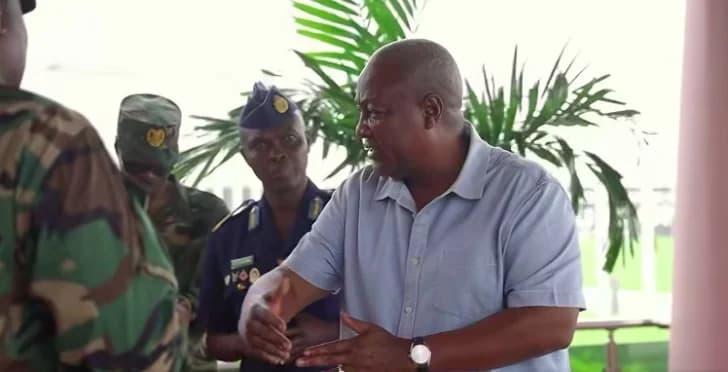
Ghana is grappling with a severe humanitarian crisis following the heaviest monthly rainfall in the nation’s history, recorded at 593.2 mm for June 2026. The resulting floods have claimed at least 12 lives, displaced nearly 39,000 people, and affected over 7,700 households, primarily in the Greater Accra, Volta, and Eastern regions. In an urgent response, President John Dramani Mahama has authorized the release of GH¢300 million from the Contingency Fund to address the disaster. The allocation is split between immediate humanitarian relief for victims and long-term flood mitigation strategies, including the desilting of major drains and the demolition of illegal structures obstructing vital waterways. The Ghana Armed Forces and police personnel have been deployed to assist the National Disaster Management Organisation (NADMO) in ongoing rescue and recovery operations.
While the executive takes emergency steps, the political landscape is charged with calls for greater accountability and more robust preventive measures. The Minority in Parliament, led by Alexander Afenyo-Markin, has demanded a transparent breakdown of the relief fund's usage and an urgent briefing from the Minister of Health, Kwabena Mintah Akandoh, regarding the risk of communicable disease outbreaks in flood-hit areas. Criticism has also come from figures like Sammy Awuku, who labeled the government’s response as reactive, and former Greater Accra Regional Minister Titus Glover, who argued that funds should have been invested in proactive drainage maintenance months ago. Amidst these critiques, Vice President Dr. Mahamudu Bawumia and other officials have suggested that the magnitude of the disaster may warrant the declaration of a state of emergency to streamline management efforts.
In Parliament, the debate has shifted toward the sustainability of Ghana’s urban infrastructure. Francis Asenso-Boakye, Ranking Member on the Select Committee on Local Government, raised concerns over the status of major flood control projects, such as the World Bank-funded Greater Accra Resilient and Integrated Development (GARID) project. He questioned whether critical interventions have stalled and proposed a week-long National Flood Emergency Preparedness Exercise to enhance community resilience. Similarly, the United Party (UP) has urged the government to revisit and modernize urban master plans from the 1960s, noting that Accra’s drainage systems—originally designed for a population of 400,000—are now buckling under the pressure of over 2.5 million residents.
Moving forward, the crisis has unified some leaders in a call for a non-partisan approach to disaster management. Minister for Education Haruna Iddrisu emphasized that insufficient funding for the Ministry of Works and Housing represents a failure of national duty, urging a bipartisan commitment to long-term engineering solutions. As the Ghana Meteorological Agency warns of further rainfall, the focus remains on the immediate safety of citizens while the government faces increasing pressure to move beyond temporary fixes and address the engineering failures and environmental degradation that have turned seasonal rains into a recurring national security threat.
This story touches markets covered on Anansi Intelligence ↗.
More from politics
Continue exploring similar stories


