••
President Mahama and Global Leaders Launch New Roadmap for Reparatory Justice and Cultural Restitution at Accra Summit
•3 min read•26 sources
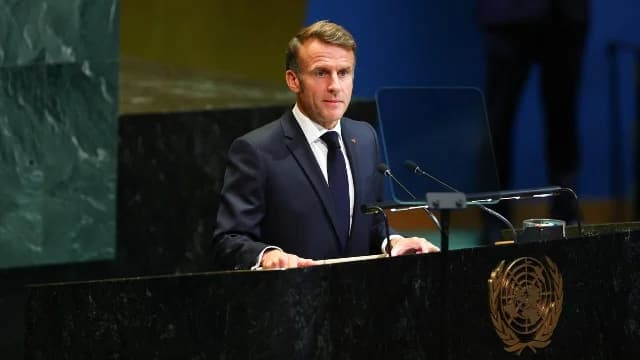
In a landmark gathering in Accra, President John Dramani Mahama hosted heads of state and delegates from over 80 nations for the Next Steps Reparatory Justice Conference. The summit marks a pivotal shift from the mere recognition of historical atrocities to actionable justice following the adoption of United Nations Resolution A/RES/80/250, which officially declares the transatlantic trafficking of enslaved Africans a grave crime against humanity. Leaders from across Africa and the Caribbean, including Barbados Prime Minister Mia Amor Mottley and the presidents of Senegal, Namibia, and Liberia, converged to demand accountability and establish a unified global framework for addressing the enduring legacies of slavery.
To drive this movement forward, President Mahama announced the establishment of three strategic international bodies: the Global Advisory Panel on Reparatory Justice, the Expert Panel on the Restitution of Cultural Artefacts, and the Global Legal Panel on Reparatory Justice. These panels are tasked with providing legal guidance, facilitating the return of stolen heritage, and advocating for justice on the world stage. The conference emphasized that reparatory justice must transcend financial compensation, focusing instead on psychological healing, the restoration of African identity, and the bridging of the divide between the continent and its global diaspora. This sentiment was echoed by French President Emmanuel Macron, who joined the discourse to advocate for reparations centered on historical truth, education, and memorialization rather than simple monetary transactions.
One of the summit's most tangible outcomes was the successful negotiation for the return of thousands of looted cultural items. The Netherlands has committed to returning 2,000 artefacts to Ghana, while Germany and France have pledged support for tracing and restituting African cultural heritage held in European institutions. Additionally, Denmark has committed to collaborating with Ghana on the preservation of historic slave forts, including Osu Castle. Foreign Minister Samuel Okudzeto Ablakwa hailed these developments as significant progress, noting that the conference has moved beyond dialogue to secure concrete results that honor African history and cultural integrity.
Addressing the socio-political implications, Prime Minister Mia Mottley unveiled a new manifesto for slavery reparations, urging Africa and the Caribbean to maintain a united front. Presidents Bassirou Diomaye Faye of Senegal and Joseph Boakai of Liberia cautioned that the UN resolution must not become another 'forgotten commitment,' calling for the active involvement of youth and artists in the reparations campaign. The leaders collectively proposed a five-point roadmap to guide future efforts, emphasizing that the quest for justice is a generational responsibility aimed at dismantling the 'mental chains' of the past and fostering a future of equity and reconciliation for all people of African descent.
This story touches markets covered on Anansi Intelligence ↗.
Related topic
John Mahama: Latest News & Updates →More from politics
Continue exploring similar stories


