••
President Mahama Activates Emergency Waste Infrastructure and Leads National Cleanup Following Fatal Accra Floods
•3 min read•25 sources
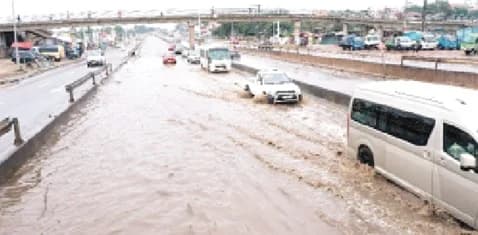
In the wake of devastating floods on June 29 that resulted in at least 34 fatalities and the displacement of approximately 90,000 residents in Accra, President John Dramani Mahama has spearheaded a series of emergency interventions and national cleanup exercises. The disaster, which has left a significant trail of property damage, prompted the President to order the immediate activation of six waste transfer stations managed by Zoomlion Ghana Limited. These facilities, located in areas such as Achimota, Teshie, and Kpone, had reportedly remained inactive for over nine years. Their operationalization is intended to streamline refuse collection by providing local disposal points for waste collectors, thereby reducing travel times to distant treatment plants and improving overall sanitation efficiency in the Greater Accra Region.
During a nationwide cleanup exercise that saw participation from the military, local leaders, and thousands of citizens, President Mahama emphasized the need for proactive sanitation practices, warning Ghanaians not to be "like the vulture" that only seeks shelter when the rain begins. The initiative involves substantial logistical support, including over 150 haulage trucks and 1,000 personnel deployed to clear choked drains and evacuate refuse. The President also declared a National Day of Prayer to honor the victims and called for a monthly national cleanup day to instill a sense of community responsibility. Meanwhile, the Minister for Local Government and the Municipal Chief Executive for Kpone Katamanso have signaled a shift toward a circular economy, announcing plans for new regional landfill sites as part of a 50-year waste management strategy.
Despite these executive actions, the government faces stiff criticism from political opponents and policy experts who describe the cleanup efforts as reactive "publicity stunts." Akosua Manu, spokesperson for the New Patriotic Party (NPP), argued that the two-day cleaning initiative is a temporary measure that fails to address the root causes of the crisis. She advocated for integrating sanitation into a structured 24-hour economy plan to ensure continuous waste evacuation. Similarly, former MP Andrew Egyapa Mercer and CDD-Ghana’s Dr. John Osae-Kwapong have pointed to the floods as evidence of systemic incompetence and the failure of past interventions. They contend that without significant improvements in drainage infrastructure and urban planning, the country will remain trapped in a cycle of seasonal disasters.
Further analysis from environmental specialists and urban planners suggests that the crisis is compounded by unregulated land sales and poor enforcement of building codes. Dr. Kofi Anokye, CEO of Koans Estate, blamed traditional authorities and family heads for selling land in drainage corridors and waterways without approved layouts. Experts emphasize that while cleaning exercises are beneficial for civic engagement, true leadership requires the establishment of permanent, preventive systems rather than episodic responses. As the Ghana Meteorological Agency continues to issue flood alerts, the call for robust environmental reforms—including the protection of wetlands and stricter enforcement of urban planning laws—has become a central theme in the national political discourse on sustainable development.
This story touches markets covered on Anansi Intelligence ↗.
Related topic
NPP (New Patriotic Party): Latest News →More from politics
Continue exploring similar stories


