••
Energy Crisis Grips Africa: Madagascar Declares Emergency as Fuel Shortages and Price Hikes Spark Regional Unrest
•3 min read•9 sources
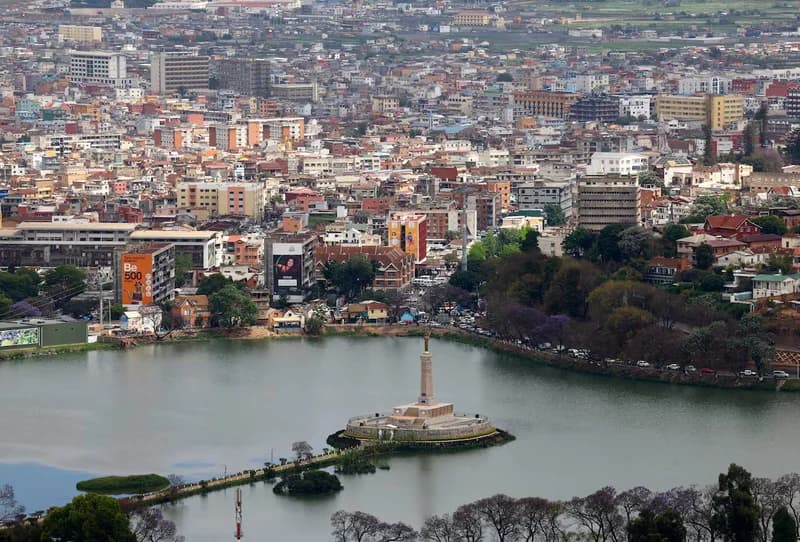
Madagascar has declared a 15-day nationwide state of energy emergency as the fallout from the conflict in the Middle East severely disrupts fuel supplies and electricity generation. The decision, announced following an urgent cabinet meeting, grants the government extraordinary powers to stabilize the energy sector, manage consumption, and prevent public disorder. This crisis is not isolated to the island nation; across the continent, governments are grappling with the ripple effects of surging global oil prices linked to the "Iran war," forcing a series of drastic economic and social measures to ensure the continuity of public services.
In Madagascar, the shortage has led to widespread panic buying and reports of petrol stations imposing strict purchasing limits. The island's heavy reliance on Middle Eastern fuel imports for its national power grid has left its electricity supply particularly vulnerable. While fuel prices have not yet seen a mandatory increase, the government's declaration is a preemptive move to maintain essential services. Officials remain wary of potential unrest, as previous energy-related shortages in the country have historically triggered youth protests and significant political instability.
Meanwhile, in West Africa, Guinea-Bissau has been hit by major disruptions as transport drivers launched a strike in the capital, Bissau, and regional hubs like Gabu and Mansoa. The industrial action follows a sharp government-mandated hike in fuel prices—where diesel rose from 700 CFA francs to 898 CFA francs—while authorities simultaneously prohibited increases in passenger fares. Caram Gassama, a union leader for the drivers, indicated that the strike could expand as taxi services consider joining. The resulting transport paralysis has forced many citizens to undertake long commutes on foot, further exacerbating the economic strain on the population.
The crisis extends to Nigeria, where the rising cost of fuel is intersecting with severe environmental challenges. In Lagos, residents are enduring a brutal heatwave with temperatures reaching 35°C, but the high cost of energy has made staying cool an unaffordable luxury for many. Public transportation often lacks air conditioning, and a declining power grid prevents the consistent use of fans or refrigeration at home. Analysts note that nine out of the last ten years have been among the warmest on record in Nigeria, creating a public health emergency fueled by both climate change and global economic shocks.
These developments highlight the profound vulnerability of African economies to geopolitical instability and oil supply chain disruptions. From Madagascar’s state of emergency to the strikes in Guinea-Bissau and the heat-stressed streets of Nigeria, the continent is witnessing a cascade of energy-saving strategies, electricity rationing, and fiscal adjustments. As global oil prices remain volatile, African nations face the dual challenge of managing immediate social unrest while seeking long-term solutions to energy dependency and the mounting pressures of a changing climate.
This story touches markets covered on Anansi Intelligence ↗.
More from africa
Continue exploring similar stories


