••
Kenyan Protests and Zimbabwean Constitutional Changes Signal Deepening Political Tensions Across Africa
•3 min read•37 sources
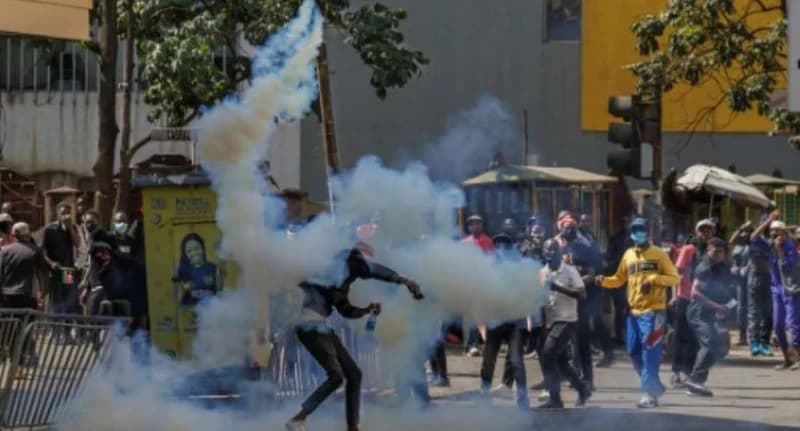
A wave of political volatility is sweeping across Africa as governments grapple with civil unrest and legislative maneuvers to consolidate power. In Kenya, a massive security operation was launched this week to suppress demonstrations marking the anniversary of the 'Gen Z' uprising against economic hardship and corruption. Police in Nairobi blocked major routes, deployed tear gas, and made hundreds of arrests to prevent activists from memorializing the more than 127 people killed during two years of periodic unrest. While President William Ruto has acknowledged the right to protest and announced a $15 million compensation fund for victims of human rights abuses, critics and organizations like Amnesty International have condemned the heavy-handed police presence as an affront to democratic freedoms. The tension is compounded by the looming 2027 elections and public frustration over unfulfilled economic promises.
Simultaneously, Zimbabwe’s Senate has approved controversial constitutional amendments that could allow President Emmerson Mnangagwa to remain in office until 2030. The changes, which increase presidential terms from five to seven years and shift the selection process to parliament rather than a popular vote, have been labeled a 'constitutional coup' by the opposition. Supporters argue the move will ensure national stability, but activists fear it entrenches the dominance of the ruling Zanu-PF party, which has held power since 1980. This legislative shift occurs amidst reports of intimidation and violence against dissenters, raising significant concerns about the future of electoral integrity in the country.
In a landmark legal development, Nigeria’s former Minister of Petroleum Resources, Diezani Alison-Madueke, was acquitted of all bribery charges by a London court after a 13-year investigation led by the UK’s National Crime Agency. Alison-Madueke, who served from 2010 to 2015, consistently denied allegations that she accepted kickbacks to fund a luxurious lifestyle. Following the jury's verdict, she described the ordeal as traumatic, while legal experts suggest the acquittal highlights the immense challenges of prosecuting high-profile international corruption cases. The ruling has reignited debates across the continent regarding the accountability of public officials and the effectiveness of international judicial processes.
Regional stability faces further tests in South Africa and North Africa. South African authorities are coordinating with private security firms to manage planned anti-immigration protests, known as the 'Great Liberation March,' set for late June. President Cyril Ramaphosa has vowed to tackle xenophobic violence as the country faces rising resentment over undocumented migration and high unemployment. Meanwhile, Tunisia’s judiciary has upheld an eight-year prison sentence for anti-racism activist Saadia Mosbah, a move seen as part of a broader crackdown on NGOs. In a rare moment of consensus, Libyan factions have agreed on a presidential election law through UN-brokered dialogue, aiming for a transition by February 2027.
On the global stage, the United States remains embroiled in political and economic conflict as President Donald Trump seeks $87.6 billion from Congress for military operations in Iran despite significant domestic opposition. Trump has also ordered investigations into major energy companies for alleged price gouging and received Supreme Court backing to reinstate strict asylum restrictions at the border. These international shifts, ranging from legal battles in London to security crackdowns in Nairobi, underscore a period of intense institutional pressure as leaders worldwide face growing demands for accountability and economic relief.
This story touches markets covered on Anansi Intelligence ↗.
More from politics
Continue exploring similar stories


