••
Ghana’s Mining Sector Reaches Critical Milestone: E&P Secures 45% Market Share Amid Regulatory Crackdown and Strategic Gold Shift
•3 min read•6 sources
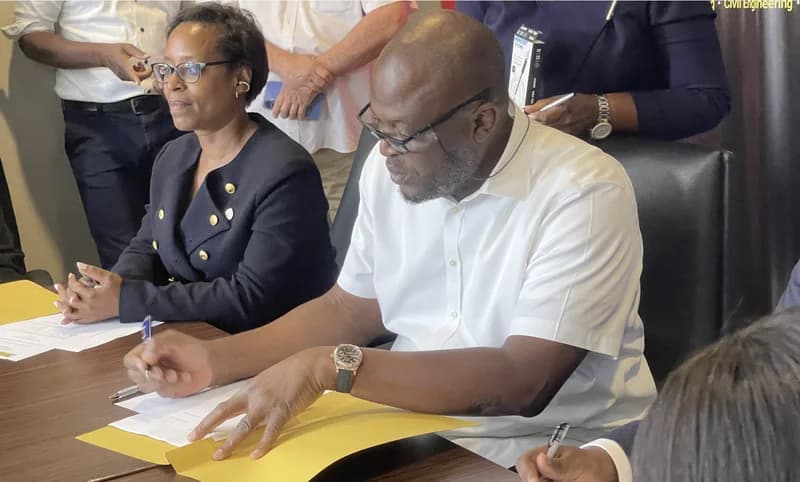
Ghana’s mining and gold industry is undergoing a significant transformation, marked by the rapid expansion of local industrial players and a tightening of regulatory oversight. Ibrahim Mahama, CEO of Engineers & Planners (E&P), recently announced that his company now controls approximately 45% of mining operations across the country. Speaking at a partnership signing ceremony with Stanbic Bank Ghana, Mahama emphasized that this growth has been fueled by strategic local capacity building and resilience. The firm is now eyeing a transition from its traditional role in contract mining toward full asset ownership, a move intended to deepen local participation in resource management and ensure that a greater portion of mineral revenues remains within the Ghanaian economy.
Supporting this vision of local economic dominance, Stanbic Bank’s CEO, Kwamina Asomaning, lauded E&P’s long-term commitment and determination. The partnership between the financial institution and the mining giant is seen as a blueprint for how indigenous collaboration can maximize the potential of Ghana’s natural resources. Mahama noted that institutional support is vital for stabilizing the national economy and creating sustainable jobs, positioning mining not just as an extractive activity but as a primary vehicle for national development and leadership in the West African sub-region.
While local giants expand, the Ghana Gold Board (GoldBod) is concurrently moving to enforce stricter transparency standards across the trading landscape. GoldBod recently issued a stern warning to licensed gold buyers who have failed to meet their mandatory reporting obligations. According to the regulator, several license holders neglected to submit monthly transaction returns due on February 15, 2026. These reports—which must detail purchase volumes, purity levels, and transaction values—are a legal requirement under Section 63 of the Ghana Gold Board Act. GoldBod has cautioned that continued non-compliance will lead to severe sanctions, including the potential revocation of trading permits, as part of a broader effort to enhance governance and oversight in the sector.
Beyond operations and regulation, the strategic value of gold is gaining renewed attention as a tool for macroeconomic stability. Ghanaian development economist Dr. Frank Bannor has urged African governments, including Ghana, to shift their foreign reserve strategies from US Dollar-denominated assets toward gold holdings. Pointing to rising geopolitical risks and the vulnerability of the dollar, Dr. Bannor argues that gold offers a more stable and liquid alternative during global financial emergencies. He cited Ghana’s 'gold-for-oil' arrangement as a successful model of how gold can be leveraged for trade and finance, suggesting that a stronger gold position would better shield the national economy from external shocks and currency volatility.
This story touches markets covered on Anansi Intelligence ↗.
Live rates
Ghana gold price →More from business
Continue exploring similar stories


