••
GNCCI CEO Demands Radical Economic Shift: Calls for End to IMF Reliance, Banking Reform, and Industrial Value Addition
•3 min read•7 sources
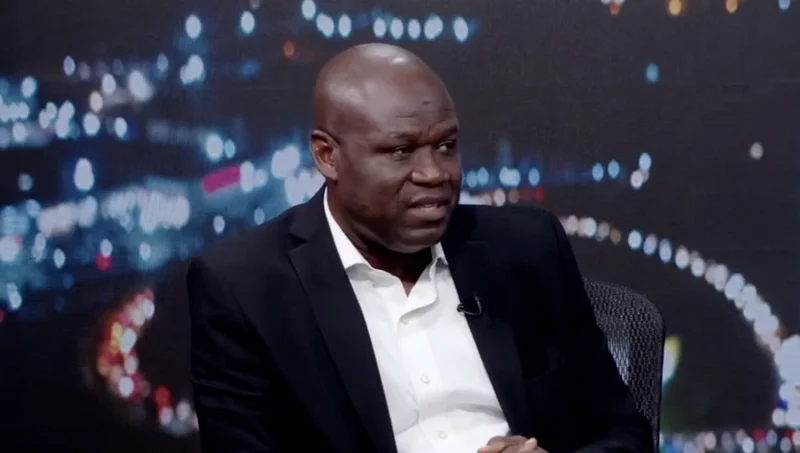
Mark Badu-Aboagye, CEO of the Ghana National Chamber of Commerce and Industry (GNCCI), has issued a stern call for a fundamental restructuring of the Ghanaian economy to ensure long-term stability and self-reliance. Speaking on various platforms, including Joy News’ PM Express, Badu-Aboagye emphasized that Ghana must break its cycle of dependency on the International Monetary Fund (IMF), noting that having sought 17 bailouts is a 'national embarrassment.' He warned that if the country fails to maintain fiscal discipline and institutionalize reforms after the current program, it risks surrendering its economic sovereignty and becoming a permanent IMF client. To prevent this, he advocates for a shift away from a raw-material-export economy toward one rooted in robust manufacturing and value addition.
A critical component of this transition, according to Badu-Aboagye, is the revitalization of the manufacturing sector. He expressed disappointment in the 'One District, One Factory' (1D1F) initiative, describing its perceived failure as a missed opportunity that has left the country vulnerable to global economic shocks. He argued that Ghana’s continued reliance on exporting raw cocoa and gold, rather than processing them locally, stagnates economic growth and leaves the nation at the mercy of volatile international price fluctuations. For Ghana to achieve true resilience, the GNCCI boss insists that the state must prioritize strategic investments in industrial capabilities that reduce import dependency.
Badu-Aboagye also leveled sharp criticism at the Ghanaian banking sector, accusing financial institutions of hindering industrialization through restrictive lending practices. He argued that the prevalence of short-term loans—often ranging from three months to one year—is fundamentally incompatible with building factories or sustaining large-scale industrial projects. Furthermore, he challenged banks to stop treating startups as inherently high-risk, criticizing the 'wait-and-see' approach where banks only offer support after a business has already succeeded. He called for project-based lending focused on viability and the introduction of moratorium periods to allow new businesses the necessary time to stabilize before repayment begins.
Beyond financial and industrial reforms, the GNCCI CEO highlighted the indispensable role of strong institutions and commercial justice in economic development. He called for a total overhaul of the judicial process regarding commercial disputes, noting that slow court proceedings erode business confidence and disrupt operations. To mitigate this, he proposed a greater reliance on arbitration and alternative dispute resolution, offering the GNCCI’s own arbitration center as a resource. Badu-Aboagye concluded that without a collaborative effort between the government, the banking sector, and the judiciary to create a supportive environment for the private sector, Ghana’s aspirations for sustainable economic independence will remain out of reach.
This story touches markets covered on Anansi Intelligence ↗.
Live rates
Ghana gold price →More from business
Continue exploring similar stories


