••
Trump Administration Subpoenas NYT Reporters and GJA Issues Ultimatum to NDC Chairman Amid Threats to Press Freedom
•3 min read•5 sources
Global and local press freedom is facing significant scrutiny as journalists in the United States and Ghana grapple with legal and physical challenges. In a major escalation, the Trump administration has subpoenaed several New York Times reporters regarding their coverage of security vulnerabilities on a new presidential aircraft. Simultaneously, in Ghana, the Ghana Journalists Association (GJA) has issued a stern ultimatum to a high-ranking official of the National Democratic Congress (NDC) following a violent raid on a radio station. Both incidents highlight a growing tension between political authorities and the media’s role in ensuring government accountability.
In the United States, federal agents have served subpoenas to journalists as part of a grand jury investigation into the alleged leaking of classified information. The probe centers on reporting about security concerns involving a new Air Force One aircraft, valued at $400 million and reportedly gifted by Qatar. Following a NATO summit in Turkey, Secret Service officials advised the President to use an older plane due to concerns over the newer aircraft's security features, particularly amid rising tensions with Iran. While the Department of Justice stated that reporters are not the direct targets of the leak investigation, David McCraw, the Times’ top lawyer, condemned the move as an intimidation tactic aimed at suppressing reporting on national security and government operations.
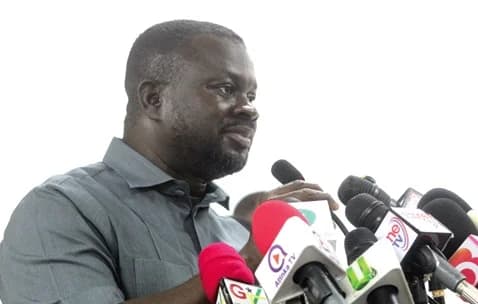
Closer to home, the GJA has issued a seven-day ultimatum to Mr. Richard Asiedu, the NDC's Central Regional Chairman, demanding an apology for a June 2026 attack on Obaatanpa Radio. The incident involved an alleged violent shutdown of the station and physical assaults on staff members after the media house aired content critical of the chairman. The GJA has warned of potential legal action if their demands are not met, emphasizing that such aggression is a direct violation of the press freedom protections enshrined in Ghana’s constitution. The association also highlighted a worrying rise in Strategic Lawsuits Against Public Participation (SLAPPs) used to silence journalists through legal harassment.
These developments underscore a precarious environment for media practitioners across the globe. Whether through the use of federal subpoenas to identify confidential sources or the physical intimidation of local newsrooms by political figures, the pressure on the fourth estate continues to mount. Advocates for press freedom argue that these actions undermine the public’s right to transparent governance and institutional accountability. As the legal proceedings in the U.S. and the GJA’s ultimatum in Ghana unfold, the results will serve as critical indicators for the future of media independence and the safety of investigative journalists worldwide.
This story touches markets covered on Anansi Intelligence ↗.
Related topic
NDC (National Democratic Congress): Latest News →More from politics
Continue exploring similar stories


