••
Ghana Journalists Association Sounds Alarm Over Surging Defamation Lawsuits and Physical Attacks on Media Practitioners
•3 min read•25 sources
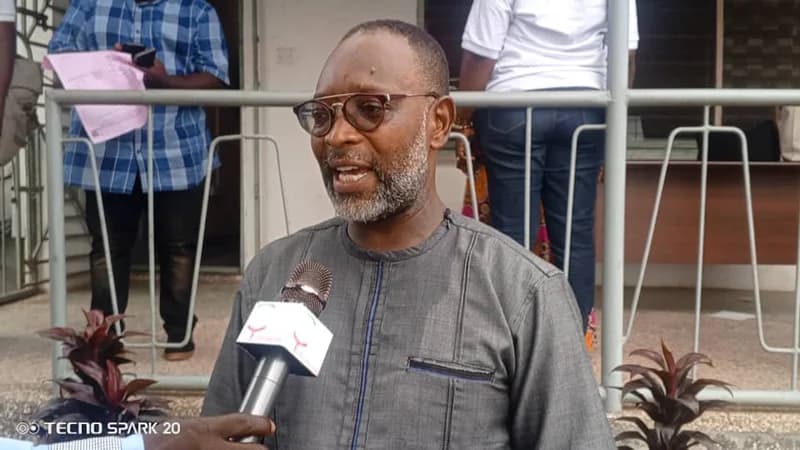
The Ghana Journalists Association (GJA) has raised a grave alarm over what it describes as a systemic attempt to stifle press freedom through a surge in defamation lawsuits and physical intimidation. Dominic Hlordze, the GJA General Secretary, revealed that there are currently more than 15 defamation cases pending against media practitioners across the country. These legal actions, often described as Strategic Lawsuits Against Public Participation (SLAPPs), are increasingly being used by powerful individuals to silence investigative reporting and accountability. The GJA warns that the financial and psychological burden of these suits is crippling the media’s ability to function as a watchdog, ultimately threatening Ghana’s democratic accountability. Legal experts and media advocates, including lawyer and UniMAC lecturer Zakaria Tanko Musah, argue that Ghana’s reliance on common law for defamation leaves journalists uniquely vulnerable. Because there is no dedicated statutory defamation law, there is significant ambiguity regarding legal defenses and remedies. This lack of clarity allows wealthy litigants to exploit the legal system to intimidate journalists who often lack the financial resources to sustain prolonged court battles. In response, the GJA is urging Parliament to enact specific legislation that would define defamation more clearly, establish standard defenses, and protect journalists from frivolous litigation. Beyond the courtroom, physical violence remains a potent threat to media practitioners. A recent flashpoint occurred at Obaatanpa Radio in Kasoa, where a producer, Bernard Mireku, was allegedly assaulted during a discussion on internal National Democratic Congress (NDC) tensions. Following the incident, the NDC Central Regional Chairman, Prof. Richard Kofi Asiedu, filed a GH¢10 million defamation lawsuit against the station and its host, Kofi Kyei Baffour. While the GJA has condemned the assault and the temporary closure of the station as an "attack on democratic values," the situation highlights the volatile environment in which local journalists operate, particularly when reporting on political factions. The judicial landscape has also come under scrutiny following the criminal contempt case of journalist Larry Dogbey. Dr. Kojo Asante, Director of Policy Engagement at CDD-Ghana, criticized the use of criminal contempt proceedings against the press, suggesting they compromise judicial impartiality and create a conflict for judges. Amidst these rising pressures, the GJA has advised journalists to strictly adhere to the GJA Code of Ethics to mitigate legal risks and encouraged aggrieved parties to utilize the "right of rejoinder" and other dispute resolution mechanisms rather than immediately resorting to the courts. These combined legal and physical pressures, the association warns, are deterring a new generation of investigative journalists from pursuing the critical work of holding power to account.
This story touches markets covered on Anansi Intelligence ↗.
Related topic
NDC (National Democratic Congress): Latest News →More from politics
Continue exploring similar stories


