••
Ghana Strategically Pivots to Tree Crop Industrialization Amidst COCOBOD Financial Restructuring
•2 min read•3 sources
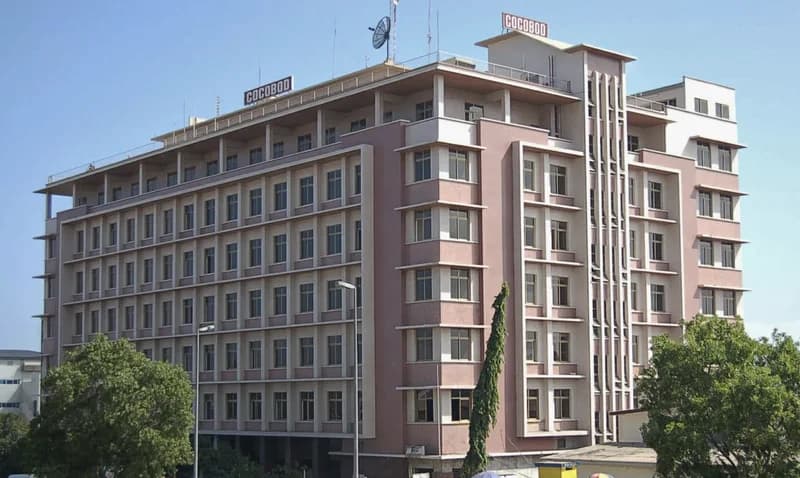
Ghana is aggressively pushing for a paradigm shift in its agricultural sector, moving from raw commodity exports to high-value industrial processing. This strategy, highlighted during the Ghana Tree Crops Investment Summit, seeks to tap into a $300 billion global market for processed commodities. Government officials are calling for local and foreign investors to capitalize on the country's diverse tree crop portfolio, including coconut, cashew, rubber, and shea. However, this ambitious industrialization drive comes at a time when the nation's primary cocoa regulator, COCOBOD, is facing a severe financial crisis, requiring significant capital injection to remain operational.
At the forefront of this investment drive is the coconut value chain. Mr. Simon Madjie, CEO of the Ghana Investment Promotion Centre (GIPC), noted that while Ghana is Africa’s leading coconut producer, domestic supply remains insufficient to meet growing demand. He highlighted a US$23 million export potential in desiccated coconut alone, urging investors to help build a competitive industry. This effort is supported by the "Feed the Industry" program, which aims to stabilize supply from two million farmers through cooperatives. Deputy Minister Sampson Ahi further emphasized that the government is implementing policies to support local processing, such as a ban on raw rubber exports and a target to process 50% of the nation's cocoa production locally.
Despite these growth ambitions, the cocoa sector faces mounting financial pressure. The Majority Caucus in Parliament recently revealed that COCOBOD requires over GH"30 billion in working capital to bridge a significant liquidity gap. In response, COCOBOD is implementing drastic austerity measures, including salary cuts for executives and senior staff to save approximately GH"5 million monthly. There are also ongoing efforts to restructure GH"5.8 billion in legacy debt and transfer road-related liabilities to the government to stabilize the institution's finances. This fiscal strain underscores the urgency of diversifying the agricultural economy and moving away from a dependence on raw bean exports.
The broader vision for Ghana's agribusiness landscape relies on its political stability, strong legal framework, and a young, energetic workforce. Financial institutions are being encouraged to support investment efforts to alleviate farmer financial constraints and increase global competitiveness. As Ghana navigates the financial restructuring of its cocoa sector, the successful expansion into other high-value tree crops will be critical for long-term economic resilience. The transition to a value-added economy aims not only to generate significant export revenue but also to create sustainable jobs across the industrial value chain.
This story touches markets covered on Anansi Intelligence ↗.
More from business
Continue exploring similar stories


