••
Ghana Business Update: PURC Issues ECG Ultimatum, Makola Rent Tensions, and March Fuel Projections
•3 min read•7 sources
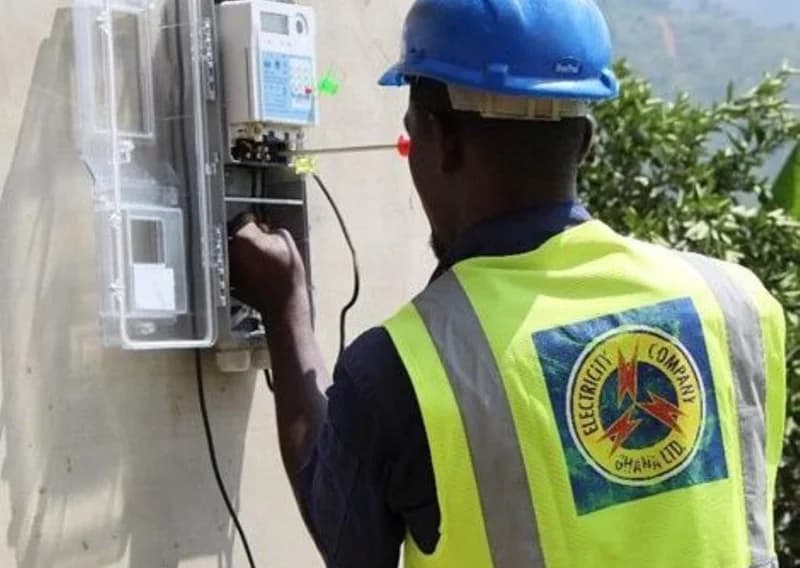
The Public Utilities Regulatory Commission (PURC) has taken a decisive stance on consumer protection by issuing a 48-hour ultimatum to the Electricity Company of Ghana (ECG) to resolve growing concerns over its prepaid metering system. This directive follows a surge in reports from frustrated consumers regarding the rapid and unexplained depletion of prepaid credits. During an emergency meeting, the Commission demanded a comprehensive report from the power distributor detailing the cause of these technical issues and the specific corrective measures being implemented. Dr. Shafic Suleman, the Acting Executive Secretary of PURC, emphasized that the commission is prepared to take further legal action should the ECG fail to comply with the deadline or provide a satisfactory resolution for affected customers.
While utility regulators grapple with power issues, the commercial sector is facing its own set of challenges as management at the Makola No. 2 Market defends a recent hike in rent charges. Traders at the iconic Greater Accra market have launched protests calling for government intervention and a state takeover of market administration, describing the new rents and additional levies as excessive. However, John Appea, Managing Director of MMC Property Management Limited, clarified that the adjustments were approved by a board that includes representatives from the Social Security and National Insurance Trust (SSNIT) and the Accra Metropolitan Assembly (AMA). Appea argued that the increase is a necessity for the market’s survival, noting that the facility relies entirely on internally generated funds for maintenance and waste management, receiving no financial support from the state.
Compounding the economic pressures on both businesses and households are the latest fuel price projections from the Chamber of Petroleum Consumers (COPEC) for early March 2026. COPEC anticipates a marginal rise in pump prices, with petrol expected to increase by approximately 3.59% (reaching between GHS 11.8 and GHS 13 per litre) and diesel by 1.52% (climbing to between GHS 12.73 and GHS 14 per litre). These adjustments are attributed to international market volatility, including a 1.25% rise in global crude prices and changes in Free On Board (FOB) rates. On a more positive note, the price of Liquefied Petroleum Gas (LPG) is projected to decline by 1.57%, potentially offering some relief to domestic users and small businesses.
These combined developments highlight a period of significant economic adjustment across Ghana’s utility, retail, and energy sectors. As regulators push for better service delivery from the ECG and market managers attempt to balance operational costs with trader affordability, the role of international market forces remains a critical factor in local pricing. Moving forward, the effectiveness of the PURC’s oversight and the outcome of the ongoing dialogue between Makola management and traders will be pivotal in determining the short-term financial stability of many Ghanaian enterprises and households. COPEC has meanwhile called on Oil Marketing Companies to manage the upcoming price adjustments carefully to minimize the impact on the already burdened consumer.
This story touches markets covered on Anansi Intelligence ↗.
More from business
Continue exploring similar stories


