••
Ghana’s Economic Landscape: Navigating Revenue Declines, Infrastructure Modernization, and Strategic Growth Initiatives
•3 min read•7 sources
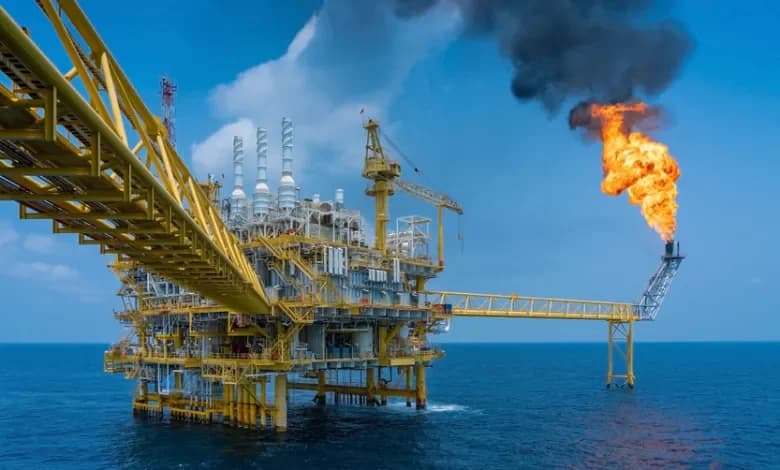
Ghana’s economic landscape is currently navigating a period of significant volatility and strategic transition, marked by a decline in petroleum revenues and an impending rise in fuel prices. According to reports from the Bank of Ghana, total petroleum receipts fell to US$399.65 million in the second half of 2025, a notable drop from previous years. This revenue dip is compounded by projections from the Chamber of Oil Marketing Companies (COMAC), which indicate that fuel prices are set to rise starting February 1, 2026. The anticipated increase—driven by a 4% depreciation of the cedi and rising international crude prices—could see petrol reach approximately GH¢11.48 per litre, while diesel prices may climb by as much as 5.10%. These market conditions are forcing companies to reconsider pricing strategies as they balance profitability with sales volume.
Amidst these fiscal challenges, the Tema Development Company (TDC) is spearheading a modernization drive to address the nation’s housing deficit and improve operational efficiency. At TDC’s 5th Annual General Meeting, Managing Director Courage Nunekpeku unveiled a technology-driven transformation agenda. This initiative aims to streamline affordable housing delivery through the introduction of premium courier services, a 24-hour call center, and a new business center. With necessary approvals already secured for upcoming projects currently in the award stage, TDC is positioning itself to leverage innovation to revitalize a sector it has served for over 70 years, ensuring more Ghanaians have access to sustainable housing.
International partners are also playing a critical role in bolstering Ghana’s economic resilience through targeted financial support and vocational training. Finance Minister Dr. Cassiel Ato Forson recently announced a US$22.6 million World Bank facility under the West Africa Food System Resilience Project (FSRP). This funding is designated to overhaul the agricultural sector by improving farmers' access to digital climate data and increasing the production of essential staples such as maize, rice, and poultry. Complementing these agricultural efforts, the German Development Cooperation, in partnership with KNUST and SMIDO, has successfully trained over 160 mechanics in sustainable oil-waste management and motorbike repairs, fostering green jobs and enhancing technical expertise within the transport industry.
Looking toward long-term human capital development, the private sector is increasingly focusing on the digital skills gap. Telecel Group and King’s Trust International have launched a multi-year partnership, set to run until 2027, to bridge the digital divide for Ghanaian youth. The initiative targets Junior High School students with practical ICT training and hardware provisions to mitigate the impact of inadequate computer labs. Collectively, these developments—ranging from digital education and agricultural grants to housing reforms—reflect a multi-faceted approach to stabilizing the economy. While immediate pressures from global market fluctuations and currency depreciation persist, these strategic investments in technology and infrastructure aim to equip the Ghanaian workforce for a more equitable and resilient future.
This story touches markets covered on Anansi Intelligence ↗.
Live rates
Dollar to cedi rate →More from business
Continue exploring similar stories


