••
Parliament and Gender Ministry Drive Major Social Reforms for Disability Rights, Gender Equity, and Vulnerable Groups
•3 min read•13 sources
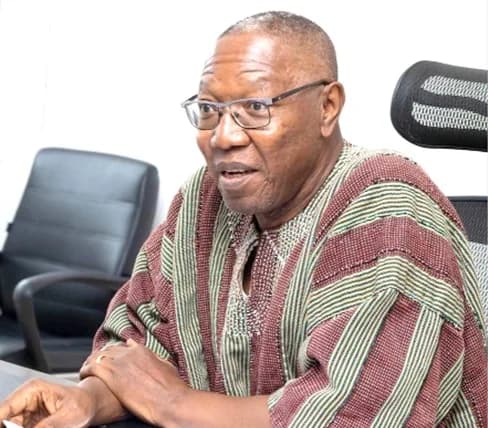
The Parliament of Ghana and the Ministry of Gender, Children and Social Protection have announced a series of legislative and policy reforms aimed at strengthening social justice and human rights. Central to these efforts is a comprehensive review of the Persons with Disabilities Act (2006), with lawmakers and advocates pushing to align national laws with international standards. Dr. Clement Abas Apaak, a leading voice in the Parliamentary Caucus on Disability, emphasized that the reform is a matter of fundamental human rights rather than charity. During the National Day of Persons with Disabilities, themed "From Act to Action," stakeholders called for the swift passage of a revised bill to eliminate persistent barriers in education, employment, and healthcare for over two million Ghanaians living with disabilities.
Supporting these legislative goals, the Ghana Federation of Disability Organisations (GFD), led by President Joseph Atsu Homadzi, has urged policymakers to move beyond rhetoric toward enforcement. Notable progress has already been recorded, including the provision of free tertiary education for 1,500 students with disabilities and the proposed establishment of a five percent employment quota across both the public and private sectors. Simultaneously, the Ministry of Gender and the Finance Ministry are developing a robust incentive package to ensure compliance with the Affirmative Action Act, 2024 (Act 1121). These incentives, which include tax benefits and preferential access to government contracts, are designed to encourage the private sector to revise human resource policies and enhance gender equity in the workplace.
In addition to gender and disability reforms, the government is addressing operational challenges within the Ghana School Feeding Programme. Dr. Agnes Naa Momo Lartey, the Minister of Gender, Children and Social Protection, has formally requested the removal of taxes on payments made to caterers. This proposal follows a recent increase in the feeding grant from GH¢1.50 to GH¢2 per child per meal, with the tax exemption intended to ensure that the full value of the grant translates into improved meal quality for students. The Ministry argues that relieving the tax burden on caterers is essential for the sustainability and nutritional impact of the social intervention program.
Furthermore, the government is expanding its social protection agenda to include the protection of individuals accused of witchcraft, a practice that predominantly targets elderly women and children. Minister for Local Government, Chieftaincy and Religious Affairs, Ahmed Ibrahim, announced a community-led strategy to combat the stigma and violence associated with these accusations. By involving traditional and religious leaders in educational dialogues and revising existing laws to meet international human rights standards, the ministry aims to provide better support services for victims while addressing the root causes of such discrimination. Collectively, these initiatives represent a significant push by the Ghanaian government to foster a more inclusive and equitable society for all vulnerable populations.
This story touches markets covered on Anansi Intelligence ↗.
More from politics
Continue exploring similar stories


