••
Ghana Launches Local Gold Refining and Modern Fire Assay Lab to Boost Value Addition and Transparency
•2 min read•25 sources
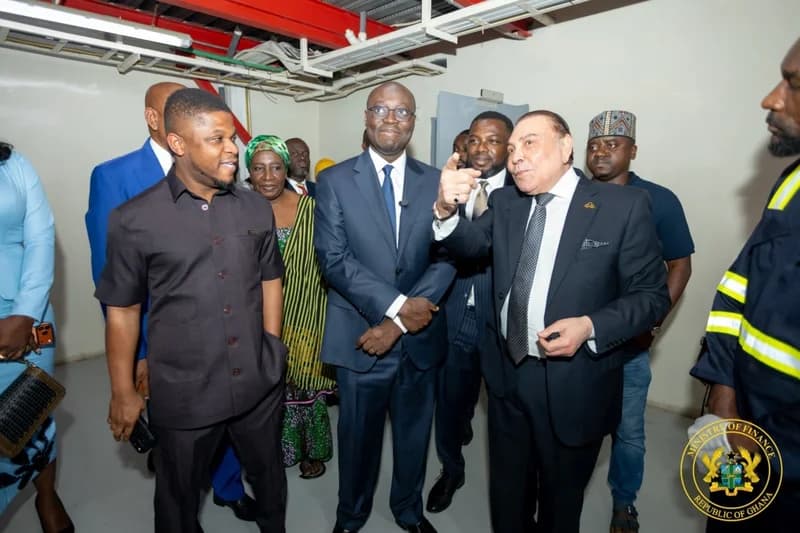
Ghana has officially launched local gold refining operations through the Gold Coast Refinery, marking a major strategic pivot from exporting raw minerals to high-value processing. In a partnership with South Africa’s Rand Refinery, the facility is currently aiming to refine at least one metric tonne of gold weekly, with the potential to scale up to two tonnes. Finance Minister Dr. Cassiel Ato Forson, who toured the facility alongside GoldBod executives, hailed the move as a "world-class" milestone in the nation's economic transformation. This initiative, which aligns with long-standing national goals to retain more mineral wealth domestically, is expected to create skilled jobs and significantly bolster foreign exchange earnings.
To further strengthen the gold value chain, the government announced the establishment of Ghana’s first modern fire assay laboratory. This facility will provide the domestic scientific capacity to accurately assess gold purity and value for the first time since independence. By reducing the historical reliance on foreign testing centers, the laboratory is expected to improve royalty assessments and increase national revenue through enhanced transparency. Dr. Forson emphasized that this infrastructure is vital for building institutional credibility and increasing investor confidence, ensuring that the benefits of natural resources primarily advantage Ghanaian citizens.
However, the move toward large-scale local refining faces significant hurdles regarding the provenance of the gold. The prevalence of illegal mining, or "galamsey," and its associated environmental damage pose a risk of shutting out premium international buyers who demand strict ethical sourcing. To address these concerns, the regulatory body GoldBod is implementing a pilot traceability program involving 600 mines. This program seeks to link refined gold to sustainable and legally operating mines, a move seen as essential for Ghana to move away from selling gold at compliance discounts to markets with more lenient standards.
Looking ahead, the government is also exploring legislative changes to optimize the fiscal benefits of gold production, including a proposed sliding scale for gold royalty rates ranging from 5% to 12%. This policy adjustment aims to ensure the state benefits from global gold price fluctuations while maintaining industry growth. As Africa’s leading gold producer, Ghana's transition into a regional refining hub will depend on the successful integration of these technological and regulatory frameworks to secure its place in the competitive global bullion market.
This story touches markets covered on Anansi Intelligence ↗.
Live rates
Ghana gold price →More from business
Continue exploring similar stories


