••
Ghana Confronts Escalating Kidney Disease Crisis Linked to Illegal Mining as EPA Announces 2027 Styrofoam Ban
•3 min read•9 sources
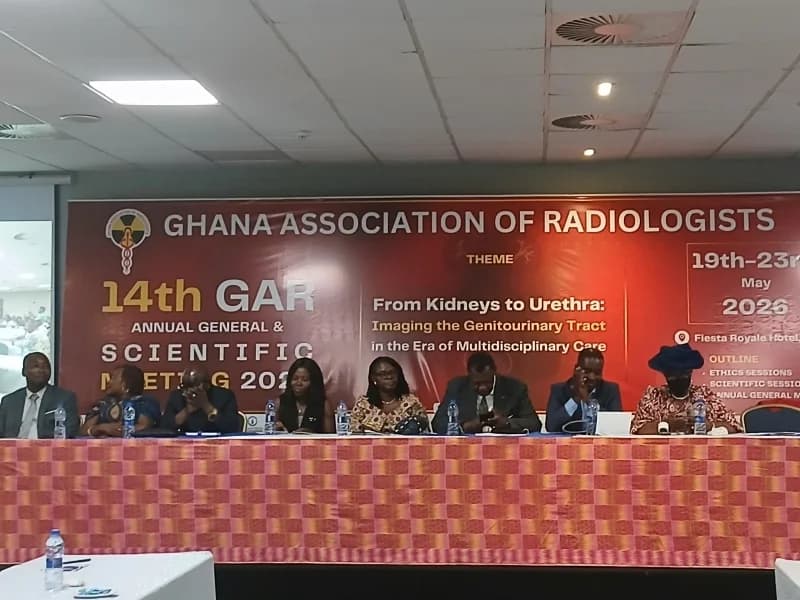
Health experts and governing bodies in Ghana are sounding an urgent alarm over a catastrophic rise in chronic kidney disease (CKD), which is being directly linked to the environmental devastation caused by illegal small-scale mining, popularly known as galamsey. Data from the Ghana Association of Radiologists (GAR) suggests that approximately 4 million Ghanaian adults—nearly 13 percent of the population—are now living with the condition. This health crisis is unfolding alongside a significant shift in environmental policy, as the Environmental Protection Authority (EPA) recently announced a nationwide ban on polystyrene foam products, effective January 1, 2027, in a bid to combat the country's pervasive plastic pollution and protect public health. The link between galamsey and organ failure is becoming increasingly clear as toxic chemicals such as mercury and cyanide, used in gold extraction, continue to seep into major water bodies. According to GAR President Dr. Francis Ofei, the pollution of the Pra, Birim, Ankobra, and Offin rivers has turned environmental degradation into a primary driver of kidney failure, often affecting citizens in their most productive years. This assessment is supported by the National African Peer Review Mechanism Governing Council (NAPRM-GC), which reports that over 60 percent of Ghana’s water bodies are now polluted. The Council has urged the government to treat water security as a national security issue, calling for corruption-free enforcement of mining laws and the provision of alternative livelihoods for mining communities. Perhaps most distressing is the growing incidence of kidney disease among children. Dr. Beatrice Nyann, head of the Paediatric Nephrology Unit at the University of Ghana Medical Centre and KATH, has reported a sharp increase in pediatric cases and congenital kidney abnormalities. Many of these conditions are linked to pregnant women’s exposure to heavy metals and environmental toxins. Dr. Nyann noted that nearly 40 percent of these cases involve severe bilateral anomalies, and she warned that children are often brought to medical facilities only after the disease has reached an advanced stage. Parents are being urged to monitor for symptoms like swelling and reduced urine output, which are often mistaken for minor allergies or normal growth. In response to the broader environmental crisis, the EPA's forthcoming ban on polystyrene foam—commonly used for food packaging and insulation—represents a major anti-pollution drive. The ban, which follows commitments to sustainable consumption, will require businesses to transition to eco-friendly alternatives over the next few years. While certain medical and scientific uses remain exempt, the EPA plans rigorous monitoring and public education to ensure compliance by the 2027 deadline. These combined efforts from the health and environmental sectors underscore a critical turning point for Ghana as it seeks to align with the African Union’s goals for sustainable water availability and safe sanitation while tackling the devastating human cost of unregulated resource extraction.
This story touches markets covered on Anansi Intelligence ↗.
Live rates
Ghana gold price →More from africa
Continue exploring similar stories


