••
Ghana Secures $250 Million Savings and Restructures $1.1 Billion Energy Debt Through IPP Renegotiations
•2 min read•1 source
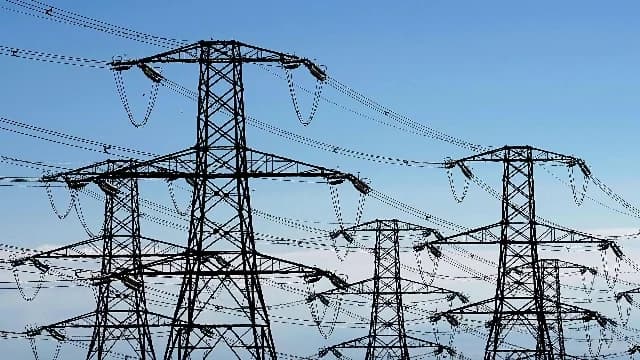
Ghana’s energy landscape is set for a significant financial reprieve following the successful renegotiation of Power Purchase Agreements (PPAs) with nine Independent Power Producers (IPPs). Announced by President John Dramani Mahama during his 2026 State of the Nation Address, these strategic negotiations have resulted in immediate savings of $250 million for the state. Beyond the direct savings, the government has successfully restructured $1.1 billion in legacy debt, providing a much-needed fiscal cushion for the energy sector as it navigates ongoing economic challenges.
The restructuring of the $1.1 billion debt is scheduled for repayment over a three-year window between 2026 and 2028. This move is intended to alleviate the mounting financial pressure on the national utility companies and the central government, allowing for a more manageable debt service profile. By spreading these obligations over a medium-term horizon, the administration aims to stabilize the sector’s balance sheet, which has long been weighed down by high-capacity charges and historical arrears owed to private power producers. These efforts represent a proactive approach to addressing the structural bottlenecks that have historically plagued Ghana's energy finance system.
A primary objective of these renegotiations is the potential reduction in electricity tariffs for Ghanaian consumers and businesses. The President highlighted that the new agreements are designed to enhance the overall efficiency of the power sector, ensuring that energy generation costs remain competitive. This transition towards financial sustainability is seen as a critical step in lowering the cost of doing business in Ghana and improving the standard of living for the populace by making electricity more affordable and reliable. The government's focus on efficiency and sustainability is intended to create a more attractive environment for industrial investment.
Despite these gains, the announcement comes amid persistent calls from civil society and industry experts for enhanced transparency and better financial management within the energy sector. Critics and stakeholders emphasize that while debt restructuring and immediate savings are positive steps, long-term stability will depend on structural reforms that prevent the accumulation of new debts. As the government moves forward with the implementation of these new terms, the focus remains on building a resilient energy infrastructure that can support the nation’s industrialization agenda and broader economic growth objectives.
This story touches markets covered on Anansi Intelligence ↗.
More from business
Continue exploring similar stories

